Leave Your Message
Engineered for extreme environments, heavy duty workloads, and long-term reliability in critical American infrastructure.
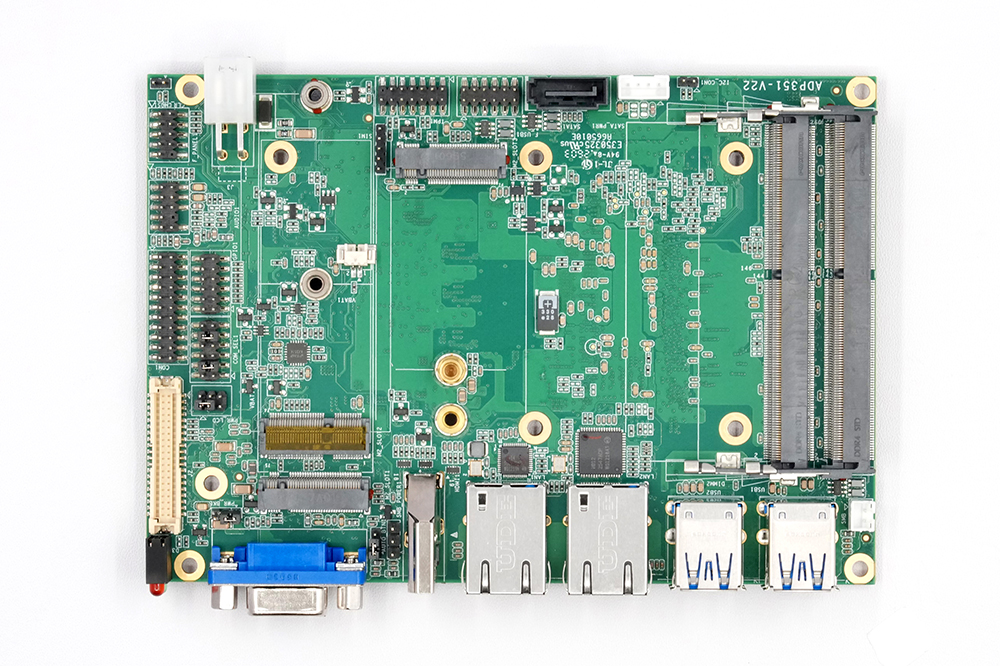
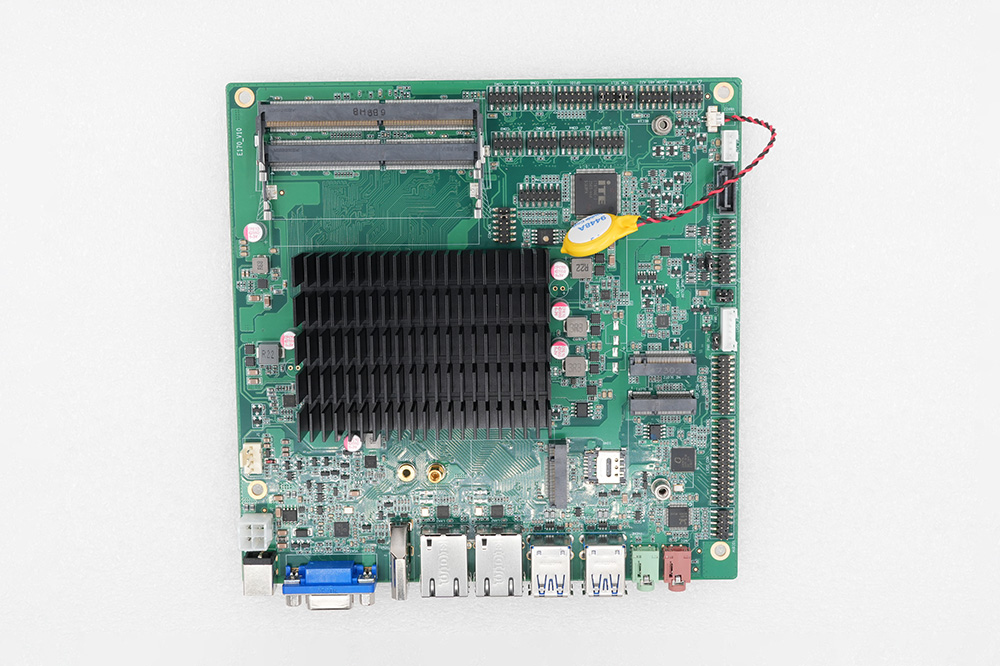
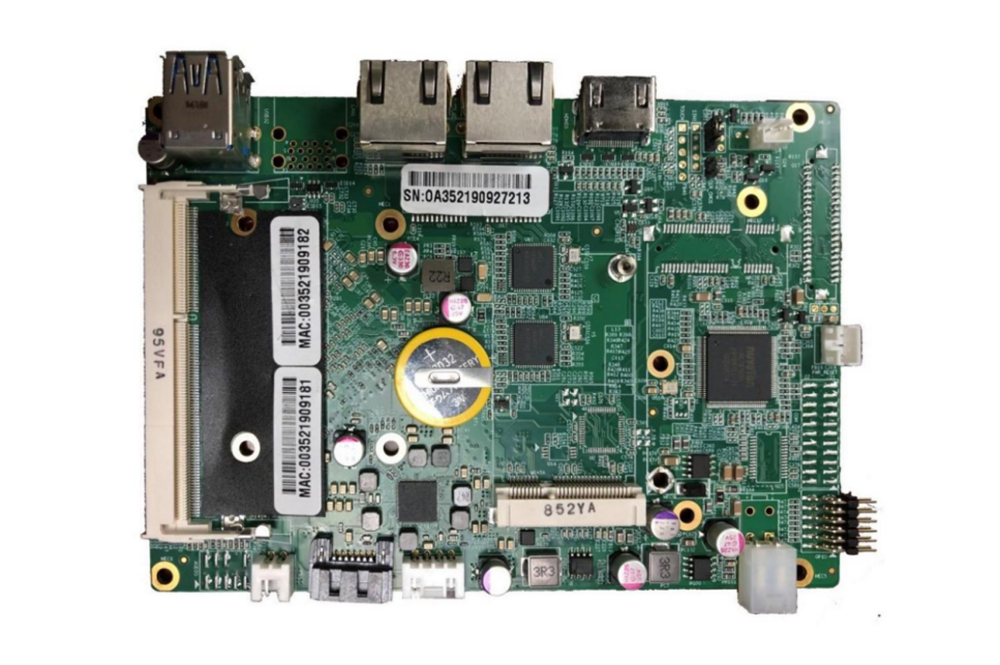
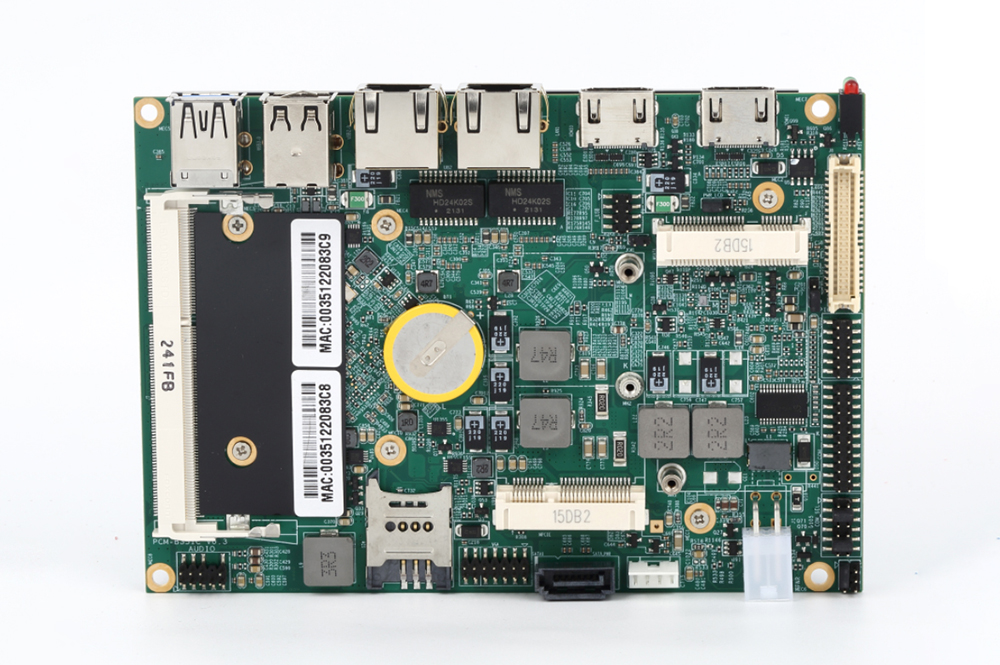
As the United States witnesses a historic wave of manufacturing reshoring, the demand for robust, high-performance industrial computing hardware has reached unprecedented levels. From the automotive assembly lines in Michigan to the sprawling oil and gas fields of Texas, and the high-tech pharmaceutical cleanrooms in the Northeast, modern American industries require specialized computational power. Standard commercial computers simply cannot withstand the harsh realities of these industrial environments, which are often characterized by extreme temperature fluctuations, heavy dust, electromagnetic interference, and constant vibration.
Choosing an industrial PC in the US is no longer just a purchasing decision; it is a critical strategic choice that directly impacts operational efficiency, system uptime, and long-term profitability. American enterprises require partners and distributors that understand local regulatory frameworks, such as FCC compliance, UL listings, and specific industrial standards. Moreover, as the Industrial Internet of Things (IIoT) and Edge AI continue to expand, these systems must serve as reliable nodes capable of processing massive amounts of sensor data in real-time, right at the edge of the network.
Deploying powerful X86 architectures directly on the factory floor to process localized machine learning models and reduce latency in critical automated actions.
Fanless designs and wide-temperature components capable of operating flawlessly in ambient temperatures ranging from -40°C to 85°C.
Ensuring form, fit, and functional compatibility for 7 to 10+ years to protect capital investments and simplify maintenance cycles.
The applications for industrial PCs vary significantly across the diverse geographical regions of the United States. Each industry presents unique environmental and operational challenges that dictate the specific configurations of the embedded systems deployed.
The modernization of the US electrical grid requires high-performance controllers at sub-stations and wind farms. These environments demand wide-temperature motherboards with dual or quad LAN ports for redundant network architectures. With multi-display support, operators can monitor localized power generation and grid health simultaneously, ensuring continuous operations even under extreme weather conditions.
In the oil and gas sector, equipment is exposed to volatile gases, dust, and immense thermal stress. Fanless industrial PCs with low-power consumption and wide temperature tolerance are essential. They act as remote terminal units (RTUs) at the wellhead, monitoring pressure, flow rates, and ambient safety metrics without risk of igniting explosive atmospheres.
Modern automotive assembly lines rely on machine vision and robotic arms to maintain high throughput. High-performance industrial motherboards featuring the latest Intel Core processors and high-speed DDR5 memory handle real-time quality control inspections, verifying weld integrity and component alignment at microsecond speeds.
Shenzhen YDSTECH Electronics Co., Ltd. is a high-tech enterprise specializing in industrial computers. Since the establishment of YDSTECH in 1999, we have been committed to independent research and development, innovation, production and sales of industrial computers, and we own the independent intellectual property rights of our core products.
We consider honesty and pragmatism as our motto and make it our long-term goal to provide customers with cost-effective products. In order to achieve this goal, we work constantly to develop new products, improve our service capabilities and promote the innovation of embedded computer applications to create long-term value and potential growth for our customers.
By tailoring our advanced computing platforms to the stringent demands of American system integrators, we deliver hardware solutions that seamlessly bridge the gap between complex software requirements and rugged physical realities.
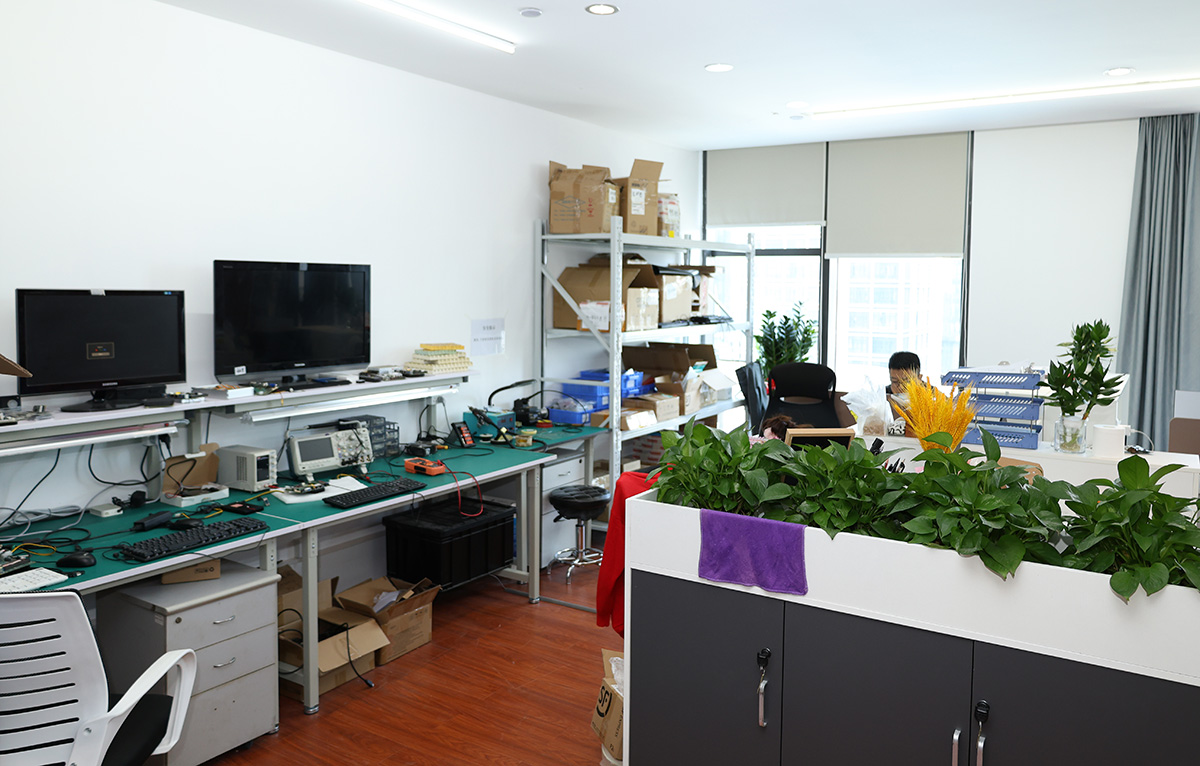
Our core technical team has over 15 years of experience in this industry, and has been focusing on embedded computer research and development, with rich and solid professional expertise. We believe that attitude means everything, since the establishment of YDSTECH, we have always been committed to work with a conscientious, responsible, attentive, professional, prudent and meticulous attitude, which ensures the high-quality output of the products, years of persistence and experience created our strong R&D team.
YDSTECH has set up a comprehensive quality assurance management system, adopting MSA quality system analysis, implementing rolling quality system audit, TQM, SPC process control and other quality management systems, establishing AVL supplier management system to ensure the quality of raw materials, and introducing rolling product reliability tests to ensure overall product reliability.
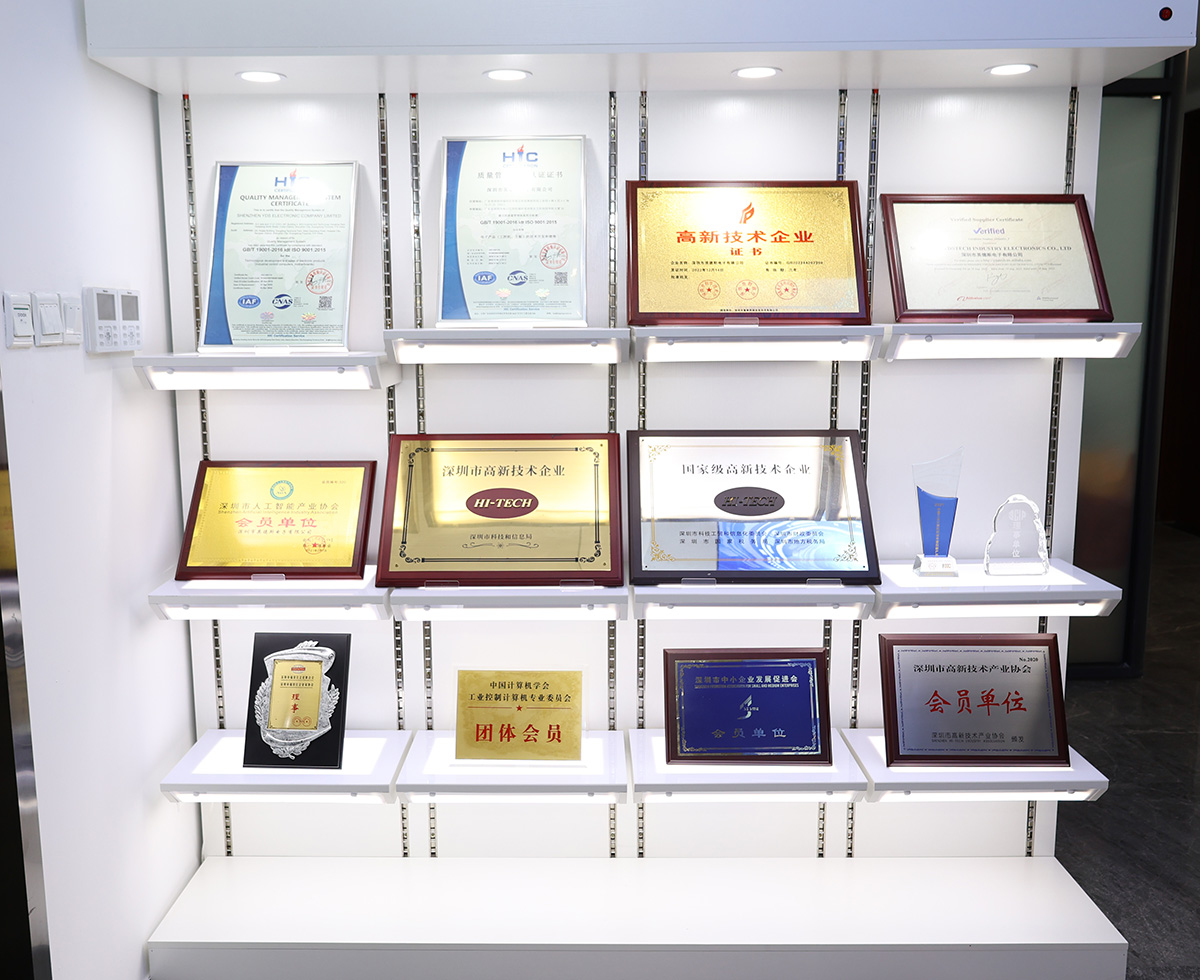
Our commitment to international quality standards and industry-leading research is backed by official certifications.
Certified High-Tech Enterprise
Shenzhen Software Product And Software Enterprise Evaluation Certified Enterprise
ISO9001 International Quality System Certified Enterprise
Member Of Chinese Association Of Automation
Member Of China Instrumentation Society
Member Of China Computer Federation
Director Of Shenzhen Computer Association
Founding Member Of China Embedded System Industry Alliance
For US-based procurement managers and engineers, selecting the ideal industrial PC involves analyzing multiple dimensions of hardware architecture. The following criteria are vital to ensuring system integration success:
Depending on the computational load, applications can utilize low-power Intel Celeron or Atom processors for data logging, or scale up to high-performance Intel Core and Ultra series processors for edge AI, video analytics, and multi-axis motion control. Balancing thermal output with CPU performance is essential for fanless operation.
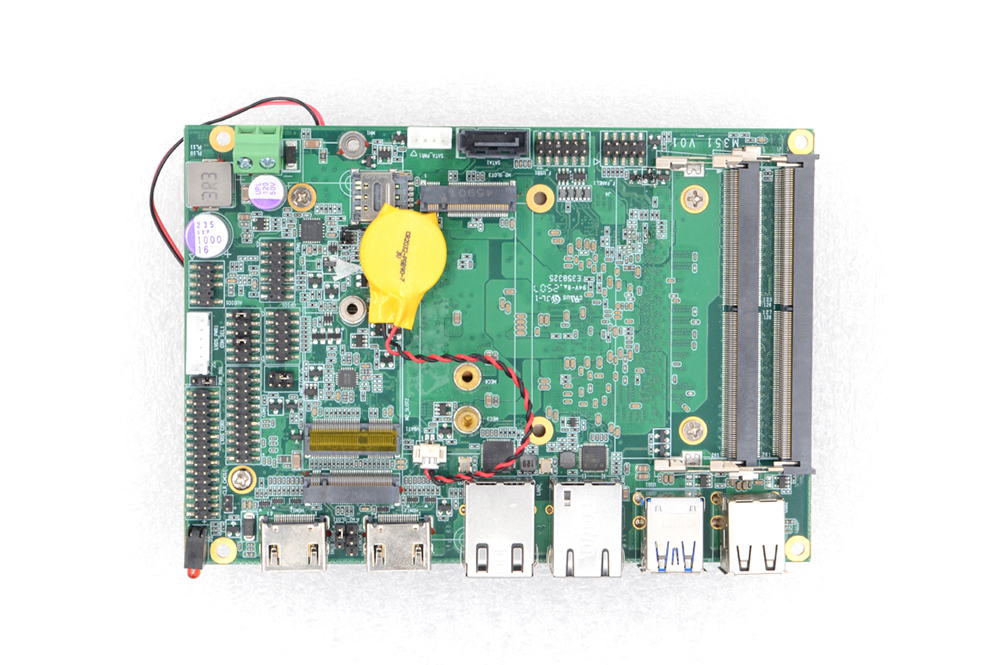
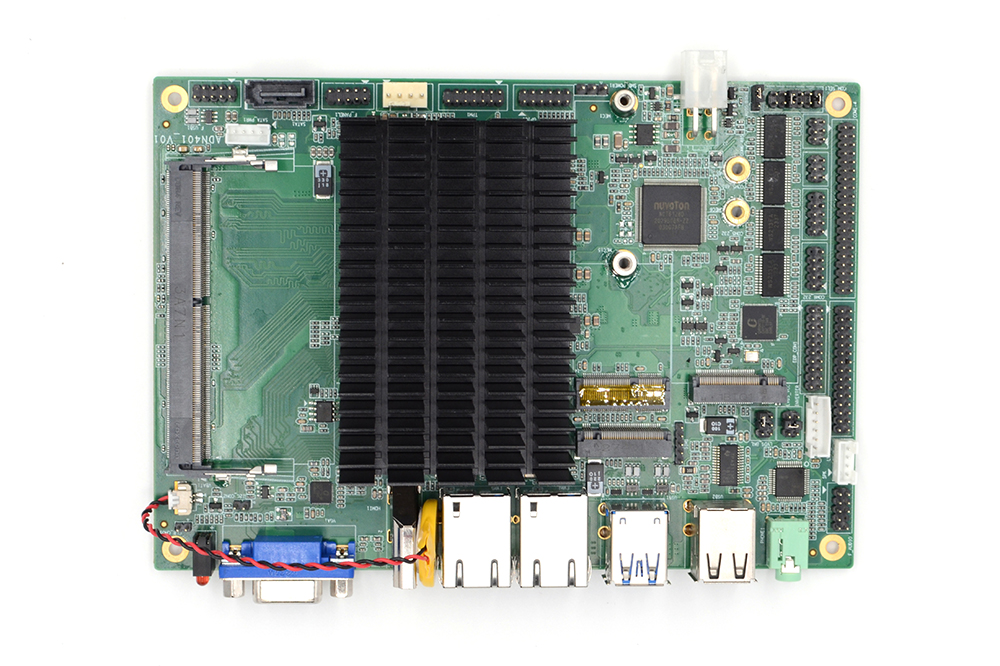
Legacy support is highly valued in US factories. A motherboard must balance modern interfaces like dual 2.5G Ethernet and high-speed USB with legacy requirements such as RS-232/422/485 serial ports and GPIO. For display capabilities, multi-display outputs (HDMI, DisplayPort, eDP) allow operators to manage complex visualization setups without installing extra graphics cards.
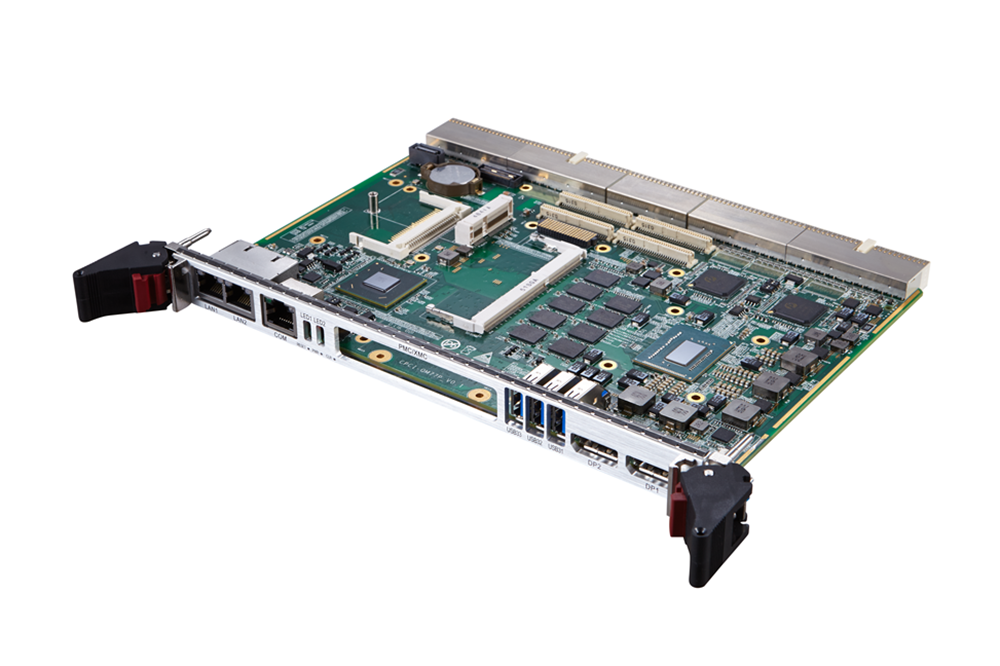
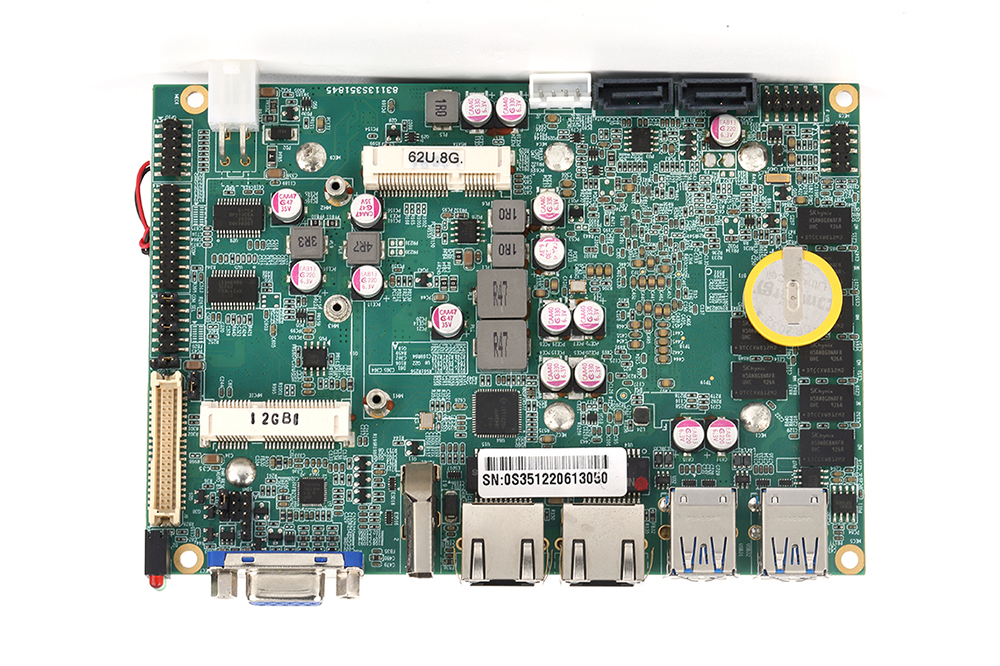
Space constraints inside electrical enclosures and control cabinets dictate the hardware's physical footprint. Whether deploying a standard 3.5-inch single-board computer (SBC), a 4-inch embedded board, or a rugged 6U CompactPCI module, the form factor must fit existing mechanical layouts while allowing easy access to interfaces for field maintenance.
Explore our complete range of high-performance industrial motherboards and embedded computing boards.