You know, in today’s fast-changing tech world, there’s a real push for solutions that are both reliable and efficient. I recently came across insights from experts like Dr. Elizabeth Tran—they’re total authorities in the Embedded Pc Fanless scene—and she’s basically saying that the future of computing is all about fanless systems that focus on saving energy without sacrificing performance. That really highlights why more and more people around the world are going for Embedded PC Fanless setups.
These systems are pretty impressive because they pack quite a punch but are also budget-friendly. They’re super versatile, fitting into everything from industrial automation to smart signage. Companies like Axiomtek and OnLogic have really been pushing the envelope with new designs. Their products? Compact, powerful, and built to stay cool without the noisy fans you might expect.
Of course, it’s not all smooth sailing. Some folks find choosing the right system pretty daunting—there are so many specs and uses to think about. It’s really important to evaluate what you actually need and steer clear of common mistakes. Connecting with knowledgeable suppliers can make all the difference. They can help you pick a solution that actually works now and keeps up with whatever the future throws at you.
Overview of Fanless Embedded PCs: Benefits and Applications
Fanless embedded PCs have gained traction due to their reliable performance in various environments. These devices operate without fans, reducing noise and dust accumulation. They offer a longer lifespan and lower maintenance costs. According to industry reports, the global fanless embedded systems market is projected to grow at an impressive CAGR of 7.2% from 2022 to 2028.
One significant advantage of fanless embedded PCs is their energy efficiency. They consume less power compared to traditional systems. This is crucial in applications like IoT devices, where extended battery life is essential. Additionally, these systems are often used in transportation, medical devices, and industrial automation. Their robust design helps withstand extreme conditions, making them suitable for various sectors.
Tips for potential buyers include evaluating the thermal management system of the devices. Ensure they can handle the required load without overheating. Look for solutions with at least IP65 ratings for better dust and water resistance. Lastly, consider scalability to accommodate future technological advancements. Even a fanless system can face limitations; always assess specific application needs before making a decision.
Top Embedded PC Fanless Solutions for Global Buyers
| Model |
Processor Type |
Memory |
Storage |
I/O Ports |
Operating Temperature |
Applications |
| Model A |
Intel Core i5 |
8 GB |
256 GB SSD |
4x USB, 2x RS-232 |
-20°C to 70°C |
Industrial Automation |
| Model B |
Intel Celeron |
4 GB |
128 GB eMMC |
2x USB, 1x HDMI |
0°C to 60°C |
Digital Signage |
| Model C |
ARM Cortex-A53 |
2 GB |
32 GB SD Card |
1x USB, GPIO |
-40°C to 85°C |
IoT Devices |
| Model D |
Intel Atom |
4 GB |
64 GB SSD |
3x USB, 2x Ethernet |
-10°C to 60°C |
Smart Factory |
Key Features to Consider in Fanless Embedded PC Solutions
When selecting fanless embedded PC solutions, several key features must be evaluated to ensure optimum performance. The industry shows a growing demand for fanless systems due to their reliability. A recent report indicated that the global market for embedded PCs is expected to reach $23 billion by 2025, primarily driven by the need for compact solutions in harsh environments.
Thermal management is critical. Fanless designs rely on passive cooling, which can be less effective in high-temperature scenarios. A well-designed heat spreader can mitigate this issue. The form factor is another aspect to consider. Compact sizes are vital in applications like IoT and edge computing. Systems must fit in limited spaces while maintaining processing power and connectivity.
Furthermore, power consumption plays a significant role. Fanless embedded PC solutions are often designed for energy efficiency, yet some users report potential trade-offs in performance. Balancing energy efficiency with processing capabilities can be challenging. Ultimately, selecting the right specs aligns with the specific application needs, and additional research is advisable. If balance isn't achieved, functionality may suffer in demanding scenarios.
Top Embedded PC Fanless Solutions for Global Buyers
Top Manufacturers in the Fanless Embedded PC Market
The fanless embedded PC market is expanding rapidly, showing a diverse array of offerings from various manufacturers. These devices are known for their durability and reliability. Many industries require solutions that can operate silently in harsh environments. This context drives manufacturers to innovate continuously. They focus on thermal management and compact designs, essential for maximizing performance without active cooling.
Experts often highlight key features that set leading manufacturers apart. Efficient heat dissipation methods enhance longevity and reduce the risk of component failure. A strong emphasis on energy efficiency is also evident. Manufacturers are motivated to design systems with lower power consumption. This can lead to longer service life and lower operational costs.
There are challenges as well. Some companies struggle with balancing performance and size. In the race for compactness, performance can sometimes take a back seat. Reducing size while ensuring sufficient processing power is a common dilemma. Reflecting on these issues can lead to better design strategies in the future. The need for reliability and efficiency drives ongoing improvements in this sector. Addressing these real-world challenges can distinguish leading manufacturers from others in the market.
Comparative Analysis of Popular Fanless Embedded PC Models
Fanless Embedded Pcs have gained traction due to their silent operation and compact design. When comparing popular fanless models, consider several key factors. Performance, power consumption, and thermal management are crucial. These systems can excel in various applications, including industrial automation, digital signage, and IoT devices.
Thermal management is vital in fanless designs. Look for models with effective heat dissipation features. Some designs use advanced materials or innovative structures that enhance cooling without fans. This efficiency can improve the longevity and reliability of your system.
Tips: When choosing a Fanless Embedded PC, assess your specific needs. Consider the environment where it will operate. If the space is tight or dusty, select an enclosure that prevents ingress. Reliability is critical, so research the operating temperature range and ensure it fits your requirements. Always keep in mind potential limitations, like processing power differences between models.
Challenges and Limitations of Fanless Technology in Embedded Systems
The trend of fanless technology in embedded systems offers several advantages, including reduced noise and lower power consumption. However, this advancement comes with challenges that need careful consideration. One major limitation is thermal management. Embedded devices often face heat generation issues due to compact designs. Without fans, maintaining optimal temperatures can become tricky, potentially leading to decreased reliability.
Moreover, the lack of active cooling systems can result in performance throttling. In scenarios where high computing power is required, developers must evaluate whether fanless designs can meet their needs. Sometimes, the constraints of passive cooling can limit the range of applications. Such devices may not be suitable for environments with high ambient temperatures or heavy workloads.
Here are some suggestions to consider when exploring Fanless Embedded Box Pc options. Look for models with better thermal dissipation materials. Aluminum or copper components can enhance cooling. Also, analyze the operating conditions to ensure the device will function effectively. Understanding these limitations allows for informed decisions when selecting fanless solutions.
Future Trends in Fanless Embedded PC Development
In recent years, the demand for fanless embedded PCs has surged. These systems are ideal for environments where cooling systems might fail. By eliminating fans, manufacturers enhance reliability and reduce maintenance costs. This trend aligns with the growing need for compact and energy-efficient computing solutions.
Future developments in fanless design focus on advanced thermal management methods. Engineers are exploring innovative materials for better heat dissipation. Strategies include using heat pipes and heat sinks to ensure optimal performance. Metallic and composite materials may also play a key role. However, some challenges linger, such as balancing performance with thermal efficiency.
The increasing integration of AI and IoT drives the evolution of fanless PCs. Smart features require embedded systems to operate efficiently in diverse conditions. Finding the right configurations is tricky. Designers must ensure longevity without sacrificing power. As technology advances, the quest for improvement continues, revealing a landscape of potential advancements and ongoing challenges.
Best Practices for Selecting Fanless Embedded PCs for Global Markets
When selecting fanless embedded PCs for global markets, buyers must consider several key factors. Reliability and performance in various environments are paramount. These devices often operate in harsh conditions, including temperature extremes and dust. Advanced thermal management designs are essential, ensuring optimal performance without the use of fans. For regions with high humidity, buyers should seek solutions with protective enclosures.
Additionally, the compatibility of the
Fanless Industrial Pc
with existing systems is crucial. Understanding the application requirements can lead to better decisions. Factors such as power consumption and interface options should align with the needs of the project. While many products promise high efficiency, their performance in real-world scenarios may vary. Testing devices in representative conditions can help highlight potential issues before full-scale deployment.
Lastly, the level of support from manufacturers should not be underestimated. Communication channels must be clear and responsive. Some vendors may fall short in this area, leading to disruptions. Investing time in research can uncover hidden challenges. Ultimately, a balanced approach combining features, support, and reliability will guide buyers to the best fanless solutions for their needs.
Exploring the Versatility and Performance of Wide Temperature X86 Fanless Embedded Computers for Modern Applications
In an era where technology adapts to diverse environments, wide-temperature X86 fanless embedded computers emerge as a practical solution for modern applications. These compact yet powerful devices are engineered to operate in extreme temperature ranges, proving essential for industrial automation and smart monitoring systems. By utilizing advanced low-power CPUs, they efficiently manage demanding tasks while maintaining excellent thermal performance. This versatility ensures seamless operation in applications, ranging from IoT edge gateways to machine vision setups.
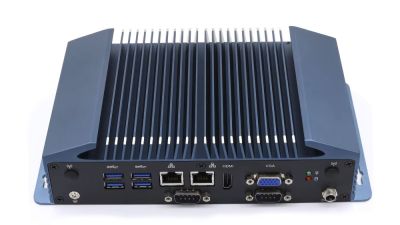
The ECS-E351 model exemplifies the capabilities of fanless embedded computers, supporting extensive memory options and providing robust connectivity features such as dual gigabit LAN, multiple USB interfaces, and various display outputs. Its all-aluminum passive cooling design enhances durability, allowing it to function reliably in harsh conditions, with operating temperatures extending from -20°C to +60°C, and an optional range of -40°C to +70°C. This level of performance not only highlights the technology's resilience but also underscores its role in enabling continuous operations in industries where environmental conditions often pose challenges.
FAQS
: Key factors include performance, power consumption, and effective thermal management for reliability.
Thermal management ensures efficient heat dissipation, enhancing the longevity and reliability of the system.
They are ideal for tight, dusty, or extreme temperature conditions where cooling systems may fail.
Research the operating temperature range and enclosure features to prevent dust and moisture ingress.
Trends include advanced thermal management, using innovative materials, and addressing the challenges of AI and IoT integration.
Compatibility ensures that power consumption and interface options align with the project's application requirements.
Performance may vary in real-world scenarios, and some vendors might lack adequate support.
Testing devices in representative conditions can highlight potential issues before full-scale deployment.
Clear and responsive communication from manufacturers is crucial to avoid disruptions and challenges.
Processing power differences between models may affect performance in specific applications.
Conclusion
The article titled "Top Embedded PC Fanless Solutions for Global Buyers" explores the rising significance of fanless embedded PCs in various applications due to their numerous benefits, such as enhanced durability, reduced noise levels, and energy efficiency. It outlines the key features to consider when selecting these solutions, including thermal management, processing power, and connectivity options.
Additionally, the piece provides a comparative analysis of popular fanless embedded PC models, highlighting their specifications and capabilities. It also addresses the challenges and limitations associated with fanless technology, like performance under high loads and thermal constraints. Looking ahead, the article discusses future trends in fanless embedded PC development, emphasizing the importance of adhering to best practices for selection to meet the demands of global markets. Overall, the content underscores the growing adoption and innovation in embedded PC fanless solutions.