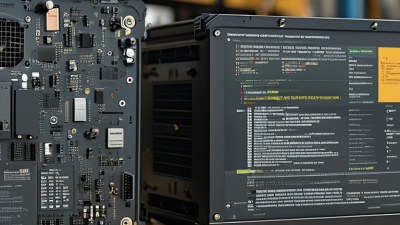
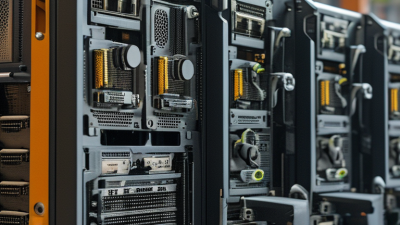
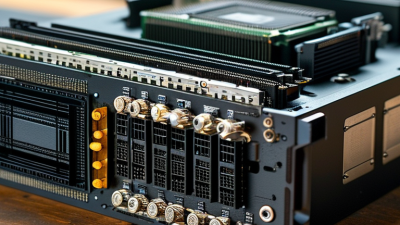
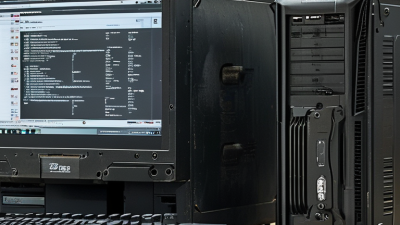
So, when you're picking out an Industrial Rack PC, there are quite a few things to keep in mind. Your choice really can make a big difference in how well it performs and how reliable it is. Honestly, it’s pretty important to understand how different components—like the processor, memory, and storage—affect the overall speed and responsiveness. Sometimes, people forget that those details matter a lot.
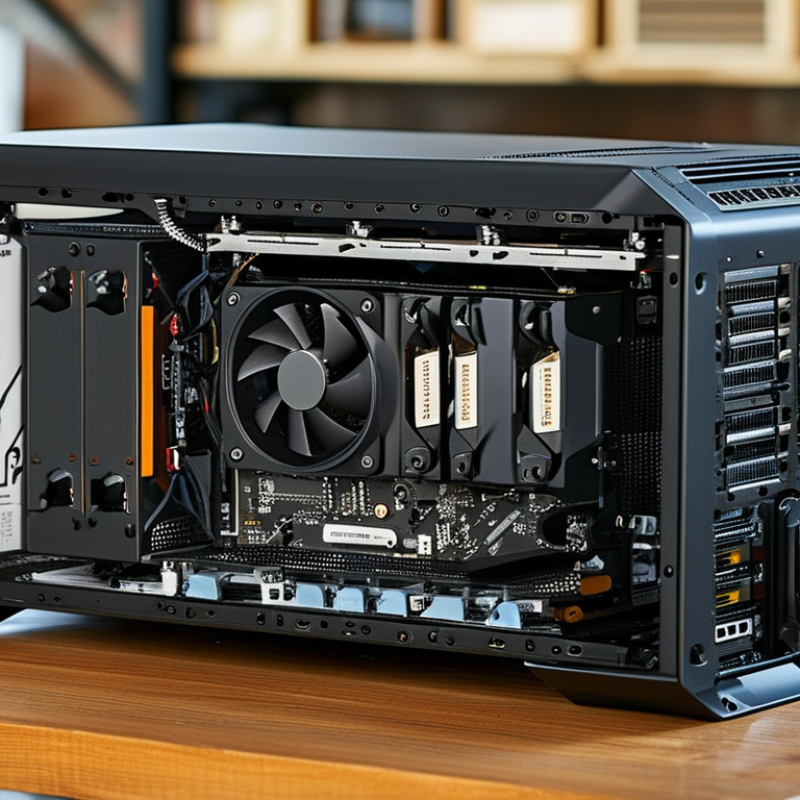
And don’t overlook cooling solutions either! Even the most high-end Industrial Rack PC can struggle if it doesn’t stay cool enough. Taking a close look at the design and ventilation features is essential. Every little detail counts—poor airflow can cause overheating and, worst case, hardware failures.
Plus, usability shouldn’t be forgotten. Sure, high specs are tempting, but they only matter if they actually fit your needs. Sometimes, a simpler setup might actually serve you better. Think about what’s most important for your setup—speed, storage, connectivity—and choose accordingly. Getting it right not only boosts your efficiency but also helps your gear last longer in the long run.
Understanding Industrial Rack PCs and Their Applications
Industrial Rack Pcs have become crucial in various sectors, from manufacturing to data centers. These systems are designed for robustness and longevity, catering to demanding environments. According to a report by MarketsandMarkets, the global industrial PC market is expected to reach USD 6.08 billion by 2025, growing at a CAGR of 5.92% from 2020. This growth illustrates the increasing reliance on Industrial Rack PCs in industrial applications.
The versatility of Industrial Rack PCs is evident in their usage. Industries employ them for automation, process control, and real-time data processing. Their ability to withstand extreme temperatures and vibrations makes them ideal for warehouse and factory settings. However, not all Industrial Rack PCs are equal. Factors like form factor, processing power, and cooling solutions must be carefully considered. Some users find themselves overwhelmed by options, risking suboptimal purchases.
Additionally, the space-saving design of Industrial Rack PCs is critical for efficient operations. Many facilities face constraints in space and power. An appropriate choice in rack mounting can optimize productivity while minimizing energy consumption. However, some businesses ignore these aspects, leading to operational inefficiencies. Balancing these considerations with evolving technological demands is essential for enhancing performance.
Essential Tips for Choosing the Right Industrial Rack PC
| Feature |
Description |
Considerations |
| Form Factor |
Typically 1U to 4U in height, suitable for standard rack environments. |
Ensure compatibility with existing rack space and airflow. |
| Processor Type |
Opt for multicore processors for effective multitasking. |
Consider future workloads and the need for processing power. |
| Memory |
At least 8GB of RAM is recommended for most applications. |
Evaluate if you will need upgrade options later. |
| Storage Options |
SSD for speed, HDD for larger capacity, consider hybrid solutions. |
Assess storage needs based on data retention and access speed. |
| Cooling System |
Active cooling systems are essential for high-performance PCs. |
Plan for adequate airflow within the rack. |
| Power Supply |
Redundant power supplies can prevent downtime. |
Consider energy efficiency ratings. |
| Input/Output Ports |
Diverse ports (USB, Serial, Ethernet) for flexibility. |
Check compatibility with existing devices. |
| Warranty & Support |
Longer warranties are often indicative of reliability. |
Consider the availability of support services. |
Key Features to Consider When Selecting an Industrial Rack PC
When selecting an Industrial Rack PC, several key features merit consideration. The processor's capabilities should align with the intended applications. Faster processing speeds enhance operational efficiency. However, ensure the features match your actual needs. Over-specifying might lead to unnecessary expenses.
Durability is crucial in industrial environments. Look for PCs designed to withstand extreme temperatures and dust. An Industrial Rack PC should have robust components and a stable power supply. This reliability is vital for minimizing downtime. Evaluating the form factor can also guide your choice. Ensure the dimensions fit your existing infrastructure without compromising accessibility.
Connectivity options are another essential aspect. Ensure that the Industrial Rack PC supports various interfaces. Flexibility in connectivity allows for future expansion and integration. Assessing cooling solutions is often overlooked. Adequate cooling prevents component failure and prolongs the PC's lifespan. Balancing performance with cooling can sometimes be challenging, requiring careful thought and evaluation.
Evaluating Performance Specifications for Your Needs
When selecting an industrial rack PC, performance specifications play a crucial role. Understanding your specific needs is key. For instance, consider the CPU capability. A multi-core processor often enhances compute performance, especially for data-intensive tasks. According to industry reports, systems with a minimum of eight cores can provide significant processing advantages in industrial applications.
Memory capacity is another important factor. Industry standards suggest at least 16 GB of RAM for most applications. Higher RAM allows for better multitasking and more efficient data handling. Additionally, evaluate the storage options. Solid-state drives (SSDs) are favored for their speed and durability. Reports indicate that SSDs can boost data access times by up to 300% compared to traditional hard drives. This could translate to better operational efficiency.
Thermal management cannot be overlooked. Industrial environments can be harsh, affecting PC performance. Systems should ideally feature fanless designs or rugged cooling solutions. This ensures reliable operation in varying temperatures. However, not all rack PCs can handle extreme conditions, so research is essential. Analyzing these specifications in light of your operational demands will lead to a more informed choice. Investing time upfront can save costs and improve productivity in the long run.
Assessing Compatibility with Existing Systems and Equipment
When choosing an industrial rack PC, assessing compatibility with existing systems is crucial. According to a study by the International Data Corporation, 79% of organizations experience mismatches in hardware integration. This often leads to increased costs and extended downtime. Understanding your current infrastructure will provide a solid foundation for making informed decisions.
Pay attention to key specifications such as processor types, RAM capacity, and storage options. A PC with a scalable architecture can adapt to future needs. Research shows that modular systems have a 30% higher satisfaction rate among users. However, not all equipment can seamlessly align, leading to performance bottlenecks. Identifying potential incompatibilities early can mitigate these risks.
Researching and testing interface compatibility is vital. Many companies overlook this step. A lack of attention may lead to purchasing decisions that do not fulfill operational requirements. Real-world feedback emphasizes the need for a thorough evaluation of all components before finalizing any purchases. While it may seem daunting, ensuring alignment with legacy systems is essential for long-term success.
Budget Considerations and Cost-Effectiveness in Purchase
When considering the purchase of an Industrial Rack Mount Pc, budget plays a crucial role. Start by determining your specific needs. Are you looking for high performance or basic functionality? High-performance systems often come with a higher price tag. It's important to balance your requirements with your budget constraints. Skimping on essential features might save money initially but can lead to costly upgrades later.
Next, consider long-term value. A more expensive Industrial Rack Mount PC might offer better durability and support. This could save you money in repairs or replacements over time. Look into warranties and customer support options. These can add significant value to your investment. Understand that the lowest price doesn’t always guarantee the best deal. Analyzing total cost of ownership is vital.
Reflect on your decision-making process. Did you compare different options? Did you consider energy efficiency? Some systems might have lower upfront costs but higher operational costs. Taking the time to assess these factors can lead to a wiser purchase. Balance your constraints with informed choices.
Durability and Reliability: Why They Matter in Industrial Settings
When selecting an industrial rack PC, durability and reliability are critical. According to a report by Research and Markets, the global industrial computer market is projected to reach $10 billion by 2026, highlighting the importance of robust technology in demanding environments. Industrial settings often expose equipment to harsh conditions, including extreme temperatures, vibrations, and dust. This is why choosing a rack PC that meets rigorous standards is essential for uninterrupted operations.
Durability means more than just a strong chassis. It involves components rated for industrial use. Look for PCs with fanless designs and IP ratings that indicate protection against external elements. A study from TechValidate found that 72% of companies experience equipment failure due to environmental factors. Selecting a device with reliable specifications can significantly reduce downtime and maintenance costs.
Consider the total cost of ownership when evaluating options. An investment in a high-quality industrial rack PC may appear higher upfront. However, the savings from fewer repairs and extended lifespan can be substantial over time. In fact, businesses reported a 30% reduction in operational costs through the use of reliable systems. Always analyze warranty terms and service support. Ensuring long-term support can aid in minimizing future challenges linked to equipment failures.
Selecting the Right Vendor for Quality and Support Services
When selecting the right vendor for your industrial rack PC, quality should be your top priority. Look for suppliers with a strong track record in the industry. Their experience can often be a sign of reliability. Choose a vendor that provides clear specifications. Unambiguous details about components are essential. Check customer reviews to gauge their reputation. High ratings often indicate strong performance and service support.
Support services are equally crucial. You need a vendor that offers timely assistance. Delays in support can lead to costly downtimes. Ensure they provide resources like manuals and troubleshooting guides. This is essential for maintenance and repairs. Consider the warranty and post-purchase support they offer. A good warranty can protect your investment.
Reflect on the importance of communication with your vendor. Clear lines of communication can prevent misunderstandings. Your vendor should listen to your needs and concerns. They should be ready to adapt. This level of cooperation can significantly enhance your purchasing experience. Look for flexibility in their offerings to better meet your specific requirements.
Maximizing Performance and Versatility: The 20~60℃ Wide Temp Fanless X86 Industrial Mini Box PC with 11th Gen Intel CPU
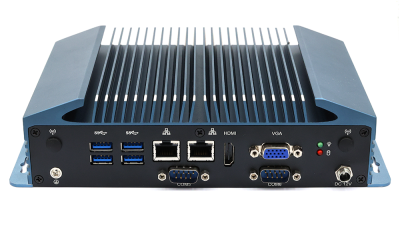
In today's industrial landscape, the demand for reliable and versatile computing solutions has never been higher. The ECS-T351 exemplifies this need with its cutting-edge fanless design, supported by the 11th Gen Tiger Lake Intel CPUs. This mini PC stands out in environments where traditional cooling systems may fail due to dust, heat, or continuous operation. Operating within a wide temperature range of -20℃ to +60℃, with optional enhancements for extreme conditions, it is ideal for industrial applications that require unwavering performance despite environmental challenges.
Furthermore, the ECS-T351 offers robust connectivity options that enhance its utility in various industrial scenarios. The inclusion of dual Gigabit Ethernet, multiple serial ports, and GPIO alongside dual display capabilities allows for seamless integration into complex automation setups. According to industry reports, the factory automation sector is anticipated to reach a value of over $300 billion by 2025, highlighting the necessity for compact yet powerful computing solutions that can sustain long-term operational demands in challenging environments.
The ability of the ECS-T351 to support up to 64GB of DDR4 RAM, along with flexible storage options including SATA and M.2 interfaces, further positions it as a versatile choice for diverse applications such as machine vision, industrial gateways, and self-service terminals. In an era where efficiency and reliability are paramount, solutions like this mini PC help manufacturers and operators optimize their processes while minimizing maintenance downtime, ensuring a significant return on investment.
FAQS
: Focus on CPU capability, memory capacity, and storage options. Multi-core processors and SSDs are often best.
Systems with at least eight cores are preferred. They significantly enhance performance for data-intensive tasks.
At least 16 GB of RAM is recommended. It aids multitasking and improves data handling efficiency.
SSDs provide faster data access. They can boost access times by up to 300%. This improves overall efficiency.
Harsh environments may impact performance. Look for fanless designs or rugged cooling systems to ensure reliability.
Assess processor types, RAM capacity, and storage. Modular systems often adapt better to future needs.
Vendor quality impacts reliability. Choose suppliers with a solid track record and clear specifications to prevent issues.
Look for timely assistance, manuals, and troubleshooting guides. These resources are crucial for maintenance.
Clear communication prevents misunderstandings. A vendor who listens can adapt offerings to meet your needs better.
A good warranty protects your investment. Ensure the vendor provides adequate post-purchase support for your peace of mind.
Conclusion
When selecting the right Industrial Rack PC, it's essential to understand their applications and significance in various industries. Key features, such as processing power, storage capacity, and expandability should be evaluated to ensure the system meets specific operational needs. Performance specifications, including speed and temperature tolerance, play a crucial role in determining suitability for demanding environments.
Additionally, compatibility with existing systems is critical to avoid integration issues. Budget considerations must be balanced with the long-term cost-effectiveness of the purchase, ensuring that the chosen Industrial Rack PC not only fits financial constraints but also delivers reliability and durability essential for industrial settings. Finally, selecting the right vendor is vital, as they provide necessary support services that can enhance the longevity and efficiency of the equipment.