Picking the right industrial computer board can actually feel pretty overwhelming sometimes. There are so many factors to think about. The key thing is really understanding what you need specifically.
Industrial boards come in a bunch of different types, each suited for different industries and uses. Things like performance, size, and compatibility are super important—so you’ve got to weigh these carefully. For instance, if space is tight, a smaller, more compact board might be perfect. But if you're working on something that’s more demanding, then a beefier, more powerful board might be the way to go.
And honestly, reliability is a big deal. You don’t want to mess around with something that’s gonna break down on you. It helps a lot if you go with a reputable manufacturer—someone who really knows their stuff. A company with a solid track record can give you insights and peace of mind. Remember, every project is different. So, take your time, do your homework, and really think about what you need most in an industrial computer board. It’s worth it in the end.
Understanding the Basics of Industrial Computer Boards
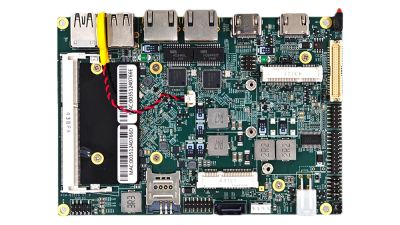
Industrial computer boards serve as the backbone of many industrial applications. Understanding their fundamental components is essential before making a decision. These boards can vary widely in terms of specifications and capabilities. Key aspects include processing power, memory, and connectivity options. Often, these features directly impact performance in demanding environments.
Each application demands different specifications. Some projects may require more robust durability, while others prioritize speed. For instance, boards used in automation systems may need faster processing to handle real-time data. Meanwhile, boards for data logging might focus on higher storage capacities. Factors like operating temperature and resistance to dust or moisture also weigh heavily in the decision-making process.
Many users overlook the importance of compatibility with existing systems. This can lead to inefficiencies or even project delays. Evaluating the specific requirements and limitations of your application ensures you choose the right board. Engage with knowledgeable professionals who understand the nuances of industrial boards. Their insights can help illuminate aspects you may have missed in your initial research.
Identifying Your Specific Industrial Applications and Needs
When selecting an industrial computer board, understanding your specific applications is crucial. Different industries have distinct requirements. For instance, some applications may need high processing power, while others prioritize low energy consumption. According to a recent report by MarketsandMarkets, the industrial computer market is expected to grow significantly, reaching $7.6 billion by 2026. This growth indicates a rising demand for tailored solutions in various sectors.
Identifying your specific needs starts with a clear assessment of your operational environment. Will your board operate in extreme temperatures? Is vibration a factor? These considerations directly influence board material and construction. Choosing the right form factor can also impact installation. For example, compact boards facilitate tight spaces but may compromise performance.
Tips: Always evaluate the board's compatibility with existing systems. This prevents integration issues down the line. Consider future growth too. A scalable solution can save you time and costs as your needs evolve. Remember, the most powerful board isn’t always the best one. Balancing performance with practical requirements is essential. Prioritize reliability and long-term support, particularly when making a significant investment. It’s worth reflecting on how these aspects align with your operational goals.
Key Features to Consider in Industrial Computer Boards
When selecting an industrial computer board, it's vital to focus on key features. One important aspect is processor performance. The choice of CPU affects processing speed and multitasking capability. A powerful processor can handle demanding applications more efficiently. For example, an embedded board with a quad-core processor can significantly enhance data processing in real-time tasks.
Another critical feature is input/output options. Diverse I/O interfaces ensure seamless integration with various peripherals. Consider support for USB, serial ports, and Ethernet connections. This flexibility allows you to connect sensors, cameras, and other devices easily. Also, pay attention to expandability. Additional slots for RAM and storage can extend the board’s life and performance.
Lastly, evaluate environmental durability. Industrial boards often operate in harsh conditions. They need to withstand extreme temperatures, vibrations, and moisture. Look for boards with ruggedized designs or specific ratings for these conditions. Choosing the wrong board could lead to frequent failures, affecting productivity. Balancing performance and reliability is essential for long-term success.
Key Features Comparison of Industrial Computer Boards
This chart displays the key features considered when choosing an industrial computer board. The ratings indicate the performance, durability, power consumption, connectivity, and scalability of typical boards available in the market.
Evaluating Performance Specifications for Your Workload
When selecting an industrial computer board, evaluating performance specifications becomes crucial. This process requires a focus on the specific demands of your workload. For instance, if you're running data-intensive applications, consider boards with high processing power and ample RAM. A faster CPU can significantly reduce processing time, which is essential for efficiency.
Another aspect to ponder is the type of connectivity you need. Various applications may require different ports, such as USB, Ethernet, or serial connectors. A lack of appropriate ports can hinder functionality and cause project delays. It's wise to think about future scalability as well. Choosing a board that allows for upgrades can save costs in the long run.
Thermal management is another critical factor. Industrial environments often expose computers to extreme temperatures. A board that overheats can lead to failures and loss of data. Ensuring effective cooling solutions, like heat sinks or fans, is necessary. It's not just about initial performance; it's about long-term reliability and resilience under stress. Make sure to thoroughly assess the specifications, as they reflect the board's capability to handle your unique workload.
Comparing Different Types of Industrial Computer Boards
When selecting an industrial computer board, understanding the various types available is crucial. These boards can range from embedded systems to robust solutions designed for extreme conditions. According to the Industry Research Report 2023, the embedded segment accounts for over 45% of the market share. These boards are compact and energy-efficient, ideal for applications with limited space.
In comparison, off-the-shelf industrial boards often come with extensive customization options. They provide flexibility for various applications, including automation and monitoring. Some reports indicate that modular boards are gaining traction, supporting varying functionalities. These boards allow users to adapt to changing technology and requirements. However, with the vast number of configurations, it can be overwhelming to select the right one. The key is to evaluate your specific needs against the board’s capabilities.
While industrial computer boards offer many choices, assessing performance and longevity must be a priority. Research shows that 30% of failures are due to thermal and electrical stresses. Thus, investing in reliable thermal management solutions is critical. Users must be mindful of the trade-offs between cost and performance. Always strive for a balance that meets operational demands without exceeding the budget.
Assessing Budget Constraints and Total Cost of Ownership
When selecting an industrial computer board, budget constraints are vital. Understand your financial limits early on.
It’s not just about the initial purchase price. The total cost of ownership (TCO) includes maintenance, upgrades,
and potential downtime. A cheaper board may lead to higher expenses in the long run.
Evaluate your operational requirements carefully. Specific applications may demand more powerful hardware,
which can increase costs. Use performance benchmarks and assess longevity to make informed decisions. A board that fits your budget today
may not meet future needs. This can lead to unexpected expenses down the line.
Don't overlook support and warranty options. Trustworthy manufacturers often provide better service. Ensure that ongoing support
is included in your budget analysis. Sometimes the cheapest option lacks adequate reliability, leading to hidden costs.
Reflect on past purchases. Learning from previous decisions can help avoid repeating mistakes.
Looking into Future Scalability and Upgrade Options
When selecting an industrial computer board, future scalability and upgrade options are critical. Many industries evolve, requiring flexible technologies. A board with expansion capabilities allows you to adapt to new demands. Consider whether the board supports additional modules or peripheral connections. This flexibility can save costs and extend product life.
It’s essential to look beyond immediate needs. Anticipate future requirements. Does the board support the latest interfaces? Can you upgrade the processing power without replacing entire systems? These questions matter. A board that seems sufficient today may fall short tomorrow.
Investing in options that allow upgrades can yield long-term benefits. It may seem tempting to choose the lowest-cost option, but that can lead to regret. Evaluate your anticipated growth. Ensure your selection fits not just your current needs, but your future vision. This approach minimizes disruptions and maximizes investment.
Exploring the Impact of Temperature Tolerance in Fanless X86 Industrial PC Motherboards on System Reliability and Performance
The exploration of temperature tolerance in fanless X86 industrial PC motherboards is crucial for assessing their reliability and performance in demanding environments. These systems are often subjected to extreme conditions, making the ability to operate within a wide temperature range a key factor in their design. For instance, a motherboard designed to function reliably from -40°C to +85°C can ensure consistent performance in applications such as industrial automation and outdoor embedded systems. This capability minimizes the risk of overheating or failure, which can lead to costly downtime and maintenance.
In addition to thermal performance, other features significantly enhance the operational reliability of these motherboards. A fanless design eliminates potential points of failure associated with moving parts, and low power consumption helps maintain energy efficiency while prolonging the lifespan of the device. With support for multiple connectivity options and high levels of integration, these motherboards can easily adapt to various industrial applications, ensuring robust performance in both standard and extreme conditions. The combination of temperature tolerance and structural resilience ultimately empowers industries to deploy reliable computing solutions in challenging environments.
FAQS
: Focus on your workload's specific demands, like processing power and RAM requirements.
A faster CPU reduces processing time significantly, enhancing overall efficiency in data-intensive applications.
Different applications need various ports. Lacking the right ports can hinder functionality and cause delays.
Choosing a board that allows for upgrades can save costs and improve long-term usability.
Effective cooling solutions are necessary. Overheating can lead to failures and data loss in extreme environments.
Boards may range from embedded systems to robust solutions for extreme conditions. Each suits specific applications.
They support various functionalities, allowing users to adapt to changing technology and requirements easily.
Evaluate your needs against the board's capabilities. It’s easy to feel overwhelmed with the options.
Balancing cost and performance is essential. Meeting operational demands without overspending is crucial.
Studies show 30% of failures arise from thermal and electrical stresses. Proper thermal management is vital.
Conclusion
When selecting the right Industrial Computer Board, it is crucial to understand its basic functionalities and how they cater to your specific industrial applications. Start by identifying your needs, which can vary greatly depending on the tasks you plan to accomplish. Key features such as processing power, I/O connectivity, and environmental resilience are essential to consider, as they directly impact the board's performance in real-world scenarios.
Additionally, evaluating the performance specifications for your workload ensures that the Industrial Computer Board can handle the demands of your operations effectively. Comparing different types of boards available in the market helps you find the best fit while also keeping budget constraints in mind. Finally, consider future scalability and upgrade options to ensure that your investment remains relevant as your operational needs evolve over time.