So, when you're on the hunt for the perfect Industrial Computer Mainboard, it's pretty much a big deal for your overall performance. Experts like Dr. David Chen over at Advanced Tech Solutions often say, "The mainboard is basically the heart of an industrial computer." And honestly, picking the right one can really affect how well everything runs—things like compatibility, durability, and how it fits your specific needs.
You’ve gotta think about what your projects actually require. What kind of environment are you working in? Is the workload heavy or pretty chill? These little details matter a lot because they shape your decision. Skipping over them could backfire later and end up costing you more money. Plus, the industrial world isn’t a one-size-fits-all kind of place—there’s a ton of variation, so blindly going for something standard probably isn’t the best idea.
And let’s be honest, with so many options around, it can get pretty overwhelming. Things like socket types or power requirements—tiny details that really count—often slip under the radar, but ignoring them could mean performance issues down the line. Taking a moment to step back and think things through really pays off. But hey, if you get some proper guidance, choosing the right Industrial Computer Mainboard becomes less of a headache and more tailored to what you actually need. It’s all about making smarter choices, really.
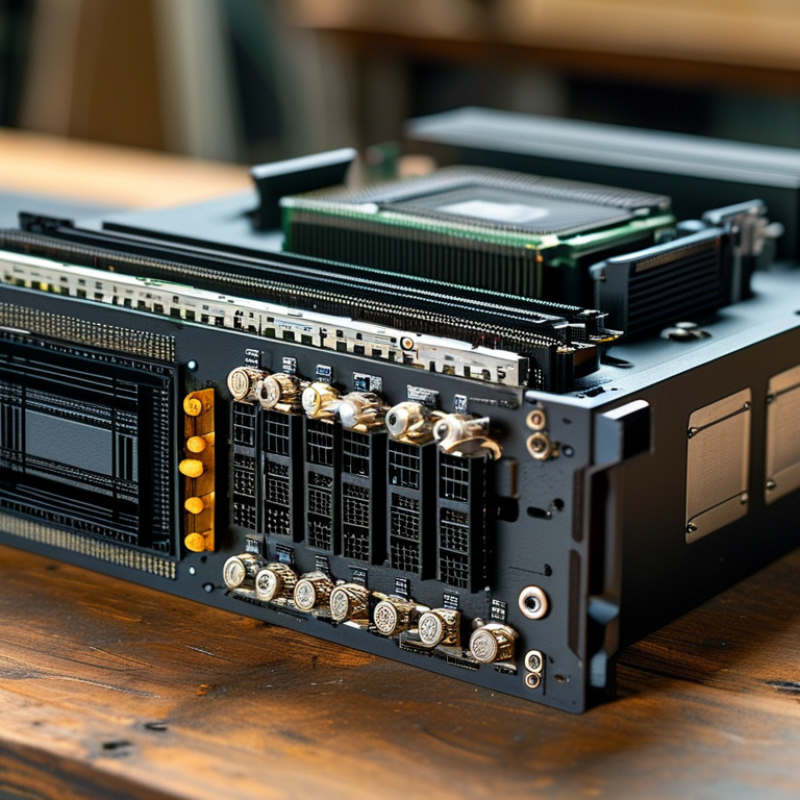
Understanding Industrial Computer Mainboards and Their Importance
When selecting an industrial computer mainboard, understanding its function is crucial. These mainboards are designed for harsh environments. They support various interfaces, such as USB, Ethernet, and serial ports. They also ensure longevity, which is essential for industrial applications. According to a report by Gartner, the demand for reliable industrial computing solutions is expected to rise by 20% in the coming years. This shows the growing importance of choosing the right mainboard.
Proper selection can impact performance significantly. Look for features such as ruggedness and temperature tolerance. The average lifespan of industrial computer mainboards exceeds five years, making durability a key consideration. Not every mainboard meets these requirements. Some may lack the necessary certifications for specific environments.
Tip: Assess your application needs first. Consider thermal performance and expansion options. Choose a board that suits current and future requirements.
Choosing an industrial computer mainboard is challenging. Each industry has its own standards and specifications. Failure to meet these can lead to operational inefficiencies. This emphasizes the need for thorough research and expert recommendations. Many resources are available to guide your decision.
Key Specifications to Consider When Choosing a Mainboard
When selecting an industrial computer mainboard, several key specifications deserve careful attention. First, consider the form factor. Popular choices include ATX, microATX, and mini-ITX. The right size can determine expansion options and will influence your overall build. An industrial application may require a more robust design, especially if it operates in harsh environments. Pay special attention to the casing and ensure it provides sufficient cooling.
Next, evaluate the chipset. This component controls communication between various parts of the computer. A modern chipset can support advanced features such as high-speed data transfer and enhanced connectivity options. Be aware of the compatibility with your chosen processor, as this can limit performance. Memory capacity is another critical specification. Look for mainboards that support adequate RAM for your applications, considering that industrial tasks often demand stability and speed.
Lastly, consider I/O ports and connectivity options. A variety of ports can enhance the flexibility of your system. Think about your peripherals and how many connections you might need. It's often easy to overlook these details during the selection process, but they can directly impact functionality. Mistakes here can lead to costly downtime in industrial settings. Always balance your needs with future upgrades in mind.
Evaluating Processing Power and Performance Requirements
When evaluating the processing power and performance needs of an industrial computer mainboard, it is essential to consider various elements. The CPU choice is crucial, as it directly affects workload handling and processing speed. An underpowered CPU may lead to bottlenecks, compromising overall system performance. Therefore, assess your applications. Are they light or resource-intensive? Understanding your workload will guide you in selecting the right Industrial Mainboard.
RAM capacity is another critical factor. Insufficient RAM can hinder multitasking and slow down applications. It's important to match your mainboard with an adequate amount of RAM for your tasks. For industrial applications, opt for boards that support ECC (Error-Correcting Code) memory. ECC can enhance reliability, especially in critical tasks.
Tips for your selection: prioritize a balance between processing cores and clock speed. Don't overlook thermal management options; good cooling support can improve longevity. Also, ensure your industrial mainboard can accommodate future upgrades. Flexibility in enhancements may save costs in the long run. Lastly, do not rush your decision. Assess multiple specifications to find the right fit for your specific needs.
assessing Compatibility with Other Hardware Components
When selecting an industrial computer mainboard, compatibility with other hardware components is crucial. The mainboard serves as the backbone of the system, connecting essential parts like the CPU, RAM, power supply, and peripheral devices. According to a report by the International Data Corporation (IDC), over 30% of system failures in industrial environments stem from compatibility issues. Therefore, ensuring each component can work seamlessly together is vital for system stability.
Check the mainboard's specifications before purchasing. Pay attention to the form factor, which determines compatibility with the chassis. For instance, ATX and Micro-ATX boards are popular due to their widespread use. Furthermore, memory support is essential. A mainboard that supports the latest DDR4 or DDR5 RAM ensures future-proofing. Research indicates that systems with optimal RAM configurations can perform up to 50% better in demanding applications.
An area often overlooked is power supply compatibility. A mismatched power supply can lead to performance bottlenecks. Consider the wattage and connection types required by the mainboard and other components. Industry data shows that nearly 25% of systems could benefit from a properly matched power supply. These reflections remind us of the importance of thorough research and consideration before finalizing hardware choices.
Exploring Form Factors and Space Constraints
When selecting an industrial computer mainboard, form factor and space constraints play critical roles. Industrial environments often have limited space. A compact design can maximize efficiency. According to a recent report by VDC Research, space constraints in manufacturing settings have led to a 15% increase in demand for smaller form factors over the past three years. This trend emphasizes the need to assess space availability before making a choice.
Manufacturers often use form factors like Mini-ITX and Pico-ITX for their compactness. These boards can fit into enclosures with minimal space, allowing for better airflow and cooling solutions. However, while smaller boards offer space advantages, they often come with trade-offs in terms of expandability and performance. Choosing a processor with sufficient power is crucial. A mismatched choice can lead to subpar system performance.
While compact boards can meet space requirements, they can also complicate component selection. Fewer slots for expansion cards might limit future upgrades. It is essential to consider the long-term vision of the system. Balancing space and capability is key. Regular evaluations and adjustments based on industry standards can help maintain operational effectiveness. A well-thought-out mainboard choice today can prevent potential issues tomorrow.
Industrial Computer Mainboard Form Factors Distribution
This chart illustrates the distribution of various form factors of industrial computer mainboards based on space and application needs.
Examining Reliability and Durability for Industrial Environments
When selecting an industrial computer mainboard, reliability and durability in harsh environments are top priorities. Research indicates that 70% of industrial failures are linked to environmental factors; thus, robust mainboards are essential. Embedded Mainboards often feature enhanced thermal management, which is vital as overheating can lead to project delays and costly repairs.
Investing in an Embedded Mainboard that meets IP ratings for dust and water resistance can significantly reduce the risk of component failure. A report from Frost & Sullivan revealed that equipment designed for extreme conditions can outperform standard models by 40% in longevity. Moreover, the choice of materials and construction quality plays a crucial role. Using components rated for high vibration and shock resistance can prevent malfunctions in heavy machinery environments.
While higher durability often comes at a premium, this investment usually pays off. A less durable choice may result in frequent replacements, leading to increased downtime. However, some manufacturers might not provide transparent data about the lifespan of their products. This leaves buyers at risk of selecting a less reliable option. Scrutinizing warranties and real-world performance metrics contributes to a more informed decision, ultimately shaping the resilience of your industrial operations.
How to Choose the Right Industrial Computer Mainboard for Your Needs? - Examining Reliability and Durability for Industrial Environments
| Mainboard Type |
CPU Compatibility |
Memory Support |
I/O Ports |
Operating Temperature |
MTBF (Mean Time Between Failures) |
| Embedded |
Intel Atom |
DDR3 up to 8GB |
USB 3.0, RS-232, HDMI |
-40°C to 85°C |
100,000 hours |
| ATX |
Intel i5/i7 |
DDR4 up to 64GB |
USB 3.1, RS-485, Ethernet |
0°C to 70°C |
50,000 hours |
| Micro-ATX |
AMD Ryzen |
DDR4 up to 32GB |
USB 2.0, VGA, HDMI |
-10°C to 75°C |
70,000 hours |
| Mini-ITX |
Intel Celeron |
DDR4 up to 16GB |
USB 3.0, DisplayPort, Serial |
0°C to 60°C |
30,000 hours |
Budget Considerations: Balancing Cost and Features
When selecting an industrial computer mainboard, budget considerations are crucial. It's tempting to opt for the cheapest option available, but this can lead to poor performance. Focusing on price alone might save money initially, yet it could incur higher costs in the long run, particularly if the board cannot support future upgrades or necessary features.
Evaluate your specific needs against the features of various options. For instance, consider processing power, connectivity, and durability. Investing a bit more can result in a significant increase in efficiency. A mid-range board may offer better stability and support, making it more reliable for long-term projects. Striking a balance between cost and quality is essential.
It's also important to recognize potential shortcomings in your choice. Sometimes, features might seem appealing on paper but are unnecessary for your operation. Take time to assess real-world performance and reliability. This reflection will ensure that your industrial computer meets your needs without unnecessary expenses.
FAQS
: Compatibility ensures all components work together. This prevents system failures and maintains stability in industrial settings.
Look for form factor, memory support, and power supply compatibility to ensure proper integration with other components.
The form factor affects space, airflow, and cooling. Compact designs are efficient but may limit performance and expandability.
Popular choices include ATX, Micro-ATX, Mini-ITX, and Pico-ITX based on their size and compatibility with various environments.
Ensure the wattage and connection types match your mainboard and components. Mismatched power can lead to performance issues.
Yes, while compact boards save space, they may reduce expandability and limit performance. Balancing size and capability is vital.
Choose a mainboard supporting the latest RAM types. Proper configurations can enhance performance by up to 50% in demanding tasks.
Regularly assessing your hardware choices helps adapt to industry standards. This proactive approach prevents potential future issues.
Compact designs maximize space but can complicate component selection and limit system upgrades down the line.
Poor compatibility is a leading cause of system failures in industrial environments. It’s essential to conduct thorough research before finalizing choices.
Conclusion
Choosing the right Industrial Computer Mainboard is crucial for ensuring optimal performance and reliability in various applications. Understanding the significance of the mainboard is the first step, as it serves as the backbone of the industrial computer. Key specifications, such as processing power, performance requirements, and compatibility with other hardware components, play a vital role in making the right choice.
Additionally, considerations like form factors, space constraints, and the need for durability in harsh industrial environments must be addressed. Finally, balancing budget constraints with necessary features ensures that the selected mainboard meets both performance and financial expectations. By carefully evaluating these factors, users can make an informed decision that aligns with their specific industrial needs.