In today’s fast-moving industrial world, picking the right technology can really make or break how smoothly things run. Have you heard about the rise of the **Industrial Touch Screen Computers**? They’re changing the way businesses connect with their systems — pretty cool, right? According to a report from MarketsandMarkets, the global market for industrial displays is expected to hit around $24 billion by 2026, and a big chunk of that growth is thanks to touch screen tech.
Industries from manufacturing to healthcare are increasingly counting on these touch screen computers. They actually help boost productivity and make processes much more efficient. A study from Grand View Research even pointed out that companies using touch interfaces see about a 30% jump in operational efficiency — not bad at all. But, let’s be honest, it’s not all sunshine and rainbows. There are some real challenges too, like making sure screens are durable enough and that their software plays nicely with existing systems.
Investing in an **Industrial Touch Screen Computer** can totally change the game for a business, but it’s super important to do your homework first. You want a solution that’s not just high-tech but also tough enough to handle the day-to-day grind. As industries keep evolving, staying alert and flexible is key if you really want to get the most out of these innovative systems.
Benefits of Industrial Touch Screen Computers for Business Efficiency
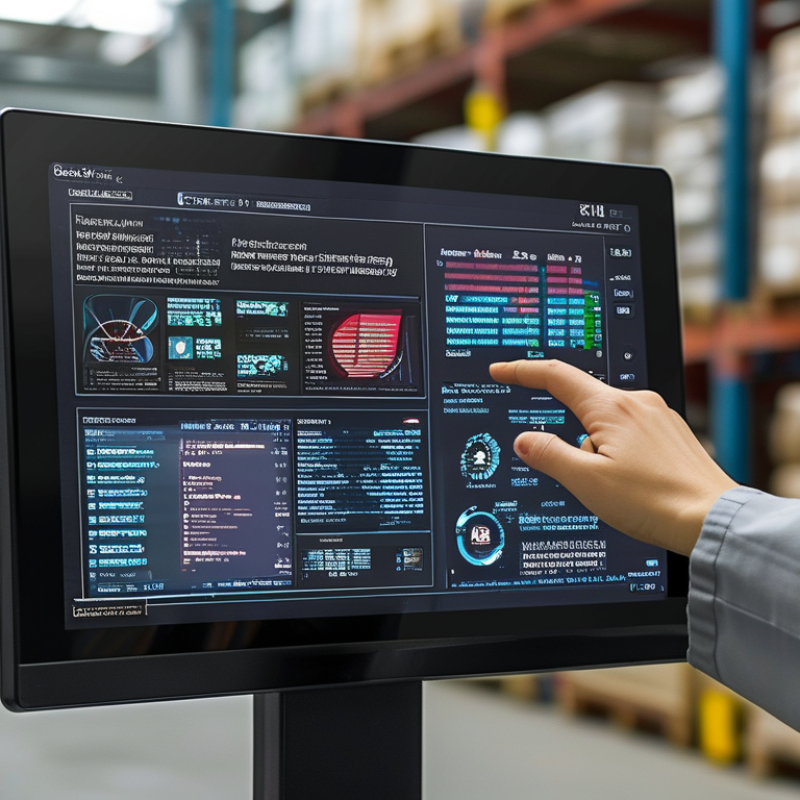
Industrial touch screen computers offer significant advantages for businesses aiming to enhance operational efficiency. According to a report by MarketsandMarkets, the industrial PC market is expected to reach $6.9 billion by 2024, highlighting a trend towards automation and technology integration in various industries. These devices are designed to withstand harsh environments, ensuring reliability in manufacturing and logistics settings. Their user-friendly interfaces streamline complex processes, allowing employees to interact with systems easily.
One key benefit is their ability to reduce training times. A study from the International Journal of Industrial Ergonomics found that intuitive touch interfaces can decrease employee onboarding by up to 30%. This ensures quicker adaptation to new technologies and systems. Furthermore, the interactive nature promotes real-time data access. Employees can make decisions based on live data, improving overall productivity. However, the initial investment can be substantial. Businesses must weigh these costs against potential long-term gains.
Incorporating these advanced solutions can enhance communication within teams. Industrial touch screen computers facilitate clearer information sharing, thereby minimizing errors. A survey by the Industry 4.0 Initiative indicated that companies utilizing such technology reported a 20% increase in team collaboration and efficiency. While the benefits are clear, not all businesses may be ready for this transition. Evaluating current infrastructure is essential before making the switch.
Key Features to Consider in Industrial Touch Screen Computers
When selecting an industrial touch screen computer, several key features can greatly influence its effectiveness for your business. A robust display is essential. Look for a screen that can withstand harsh lighting conditions. This ensures visibility in bright environments. Resistance to scratches and impacts matters too. Choosing a durable touchscreen reduces maintenance costs over time.
Next, consider the operating temperature range. Many industrial settings expose equipment to extreme conditions. A computer that can operate well in both high and low temperatures will prove beneficial. Also, think about connectivity options. Having multiple ports allows integration with various devices. This flexibility can enhance workflow efficiency.
Performance is critical as well. A strong processor and sufficient RAM ensure that your software runs smoothly. However, balancing performance with power consumption is vital for energy efficiency. It’s easy to overlook the weight and size of the device. If space is limited, a compact unit becomes invaluable. Finally, consider the long-term support and warranties offered. This ensures that your investment remains reliable for years to come.
Key Features of Industrial Touch Screen Computers
Different Industries Utilizing Industrial Touch Screen Technology
Industrial touch screen technology is revolutionizing various sectors. Industries like manufacturing, healthcare, and logistics utilize these devices for enhanced efficiency and interaction. Workers can easily input data, monitor systems, and access vital information with just a touch. This streamlining often leads to improved productivity in fast-paced environments.
In manufacturing, Industrial Computers optimize processes on the shop floor. Operators can visualize performance metrics, manage machinery, and troubleshoot issues actively. In healthcare, touch screens facilitate patient record access and streamline patient care workflows. Touch screen interfaces reduce the training time needed for staff to operate complex systems, which is crucial in emergency situations.
**Tip:** Choose a durable industrial computer. The choice of materials impacts performance. Devices need to withstand dust, moisture, and temperature fluctuations. The right selection can enhance reliability over time.
Additionally, industries require specific customizations. For instance, the food industry might need screens that can handle sanitation processes. It's essential to assess the environment where the touch screens will be used. Not all devices fit every scenario perfectly, and evaluating needs can prevent setbacks.
**Tip:** Test different models in real settings. This gives insight into usability and durability, critical factors for investment. The best solutions often emerge after hands-on experience.
Comparative Analysis: Industrial vs. Consumer Touch Screen Computers
When selecting between industrial and consumer touch screen computers, several key factors emerge. Industrial Touch Pcs are specifically designed to withstand harsh environments. They feature robust casings that protect against dust, moisture, and temperature extremes. In contrast, consumer models often prioritize aesthetics and usability in controlled settings but may falter in durability.
Data shows that industrial-grade devices have failure rates significantly lower than consumer alternatives. A study indicated that industrial touch screen computers have a failure rate of about 1-2% over five years compared to 10-15% for consumer models. This reliability is crucial for businesses relying on consistent performance and minimum downtime.
Moreover, industrial Touch PCs typically include specialized components. These might include enhanced power supplies or advanced cooling systems, which are rarely found in consumer devices. However, one challenge in the industrial sector is the cost. While initial investments can be higher, the long-term savings from reduced maintenance and downtime are often overlooked. Adopting industrial solutions may require a mindset shift towards valuing durability over initial cost, but the long-term benefits often justify this perspective.
Why Choose Industrial Touch Screen Computer for Your Business Needs? - Comparative Analysis: Industrial vs. Consumer Touch Screen Computers
| Feature |
Industrial Touch Screen Computers |
Consumer Touch Screen Computers |
| Durability |
High resistance to extreme temperatures, dust, and moisture |
Standard durability, primarily for indoor use |
| Touch Technology |
Typically uses capacitive or resistive touch technology optimized for industrial use |
Mostly capacitive touch screens, suitable for consumer applications |
| Performance |
Designed for high-performance applications and long-duty cycles |
Good for general use and entertainment; may face limitations in intensive applications |
| Customization |
Highly customizable hardware and software options for specific industry needs |
Limited customization options; primarily standardized models |
| Cost |
Higher initial investment due to specialized components |
Generally more affordable and accessible |
| Maintenance |
Can be more complex; often requires specialized service and parts |
Easier to maintain; broader support options available |
Challenges and Solutions in Implementing Touch Screen Systems
Implementing touch screen systems in industrial settings comes with unique challenges. One common issue is the integration with existing equipment. Many companies struggle to connect new touch screen technology with older machines. This can lead to downtime and increased costs. According to a 2022 industry report, nearly 40% of manufacturers faced difficulties in adapting their infrastructure during the transition to touchscreen systems.
Another challenge is user training. Complex interfaces may confuse employees, resulting in slow adoption rates. A study by the Industrial Technology Institute highlighted that about 30% of workers felt overwhelmed by new technology. Companies must invest in comprehensive training programs to ensure smooth transitions. Effective training can reduce errors and improve overall productivity.
Moreover, maintenance concerns can arise. Touch screens are susceptible to wear and tear in harsh environments. Data shows that screens exposed to dust and moisture can degrade quickly, increasing replacement costs. Regular maintenance schedules are crucial but often overlooked. Companies should prioritize durability and resistance in touchscreen models to mitigate these issues. Addressing these challenges head-on is essential for securing a successful implementation.
Future Trends in Industrial Touch Screen Technology
The future of industrial touch screen technology is taking shape rapidly. The integration of AI and machine learning will enhance user experience. These advances can streamline operations and improve efficiency in various sectors. Imagine a factory floor where machines communicate seamlessly with operators. This will lead to reduced downtime and optimized productivity.
Additionally, the rise of IoT (Internet of Things) will transform how industrial touch screen computers are used. Real-time data analytics will provide operators with immediate insights. This allows for quicker decision-making processes and proactive measures. However, there is a pressing need for robust security measures, as more devices become interconnected. Cybersecurity challenges are a significant concern for businesses adopting these technologies.
Moreover, touch screen interfaces will evolve as user-centric design becomes vital. Companies may face hurdles in balancing functionality with usability. Not all users are tech-savvy, and this must be considered in design. The aim should be to create interfaces that are intuitive for all workers. Businesses may need to invest in training and support to maximize benefits. This ongoing evolution highlights the importance of thoughtful implementation in any Computer Industrial setting.
Choosing the Right Manufacturer for Industrial Touch Screen Computers
Choosing the right manufacturer for industrial touch screen computers is crucial for your business. Not all manufacturers have the same standards. Finding one with experience in your specific industry is important. A reliable manufacturer understands your unique needs and can provide tailored solutions.
When evaluating potential manufacturers, consider their track record. Look for clients in similar fields who have achieved success. Reading reviews can give insight into their reliability. A manufacturer’s commitment to quality assurance can be a deciding factor. Make sure they comply with industry standards. This ensures the longevity and performance of their Embedded Touch Pc solutions.
Tips: Always ask for samples. Testing a product can reveal potential flaws. Don’t rush the decision; it's worth the time to research. Consider their customer service. A responsive, knowledgeable team can make a significant difference during and after your purchase. Your choice in manufacturer affects the productivity of your operations. So reflect on these aspects carefully.
Maximizing Efficiency: The Benefits of 3.5" Fanless X86 Industrial PC Boards in Extreme Temperature Environments
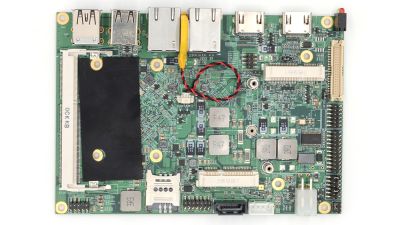
In extreme temperature environments, efficiency and reliability are critical for industrial applications. The fanless 3.5-inch X86 industrial PC boards provide an effective solution, particularly with models that leverage low-power processors to maintain optimal performance while operating under challenging conditions. Designed to function within a broad temperature range, some variants can endure temperatures as low as -40℃ and as high as 85℃, making them ideal for environments where traditional cooling methods fail.
Equipped with powerful features such as dual Gigabit Ethernet, multiple display outputs, and extensive connectivity options through industrial serial ports and mPCIe expansion slots, these boards support a variety of applications including industrial automation, machine vision, and IoT. The ability to support up to 8GB of low-voltage RAM ensures that these systems can handle demanding tasks efficiently. By eliminating the need for fans, these fanless designs not only enhance durability but also reduce the risk of dust and debris accumulation, which is particularly beneficial in harsh industrial settings. This combination of robustness and efficiency makes fanless X86 industrial PC boards a superior choice for maintaining operations in extreme conditions.
FAQS
: Industries like manufacturing, healthcare, and logistics utilize touch screens for better efficiency.
Operators can visualize metrics, manage machinery, and troubleshoot issues actively.
It allows quick access to patient records and streamlines care workflows.
They must withstand dust, moisture, and temperature changes for reliable performance.
Testing various models in real settings is essential to evaluate usability.
Look for experience in your industry and a strong track record with similar clients.
Testing can reveal potential flaws that may not be apparent initially.
A knowledgeable team can provide crucial support throughout and after the purchase.
No, taking time for research can prevent future setbacks and improve productivity.
Inadequate fitting devices can lead to inefficiencies and operational issues.
Conclusion
Industrial Touch Screen Computers are increasingly becoming essential for enhancing business efficiency across various sectors. These specialized devices offer numerous benefits, including improved user interface, enhanced productivity, and better durability in challenging environments. Key features to consider when selecting an Industrial Touch Screen Computer include screen size, resolution, resistance to dust and moisture, and processing power, which cater to the specific needs of different industries such as manufacturing, logistics, and healthcare.
The article also highlights a comparative analysis between Industrial and Consumer Touch Screen Computers, showing the distinct advantages offered by industrial models in terms of reliability and performance. While implementing these systems may present challenges, innovative solutions are emerging to address them effectively. As technology continues to evolve, future trends such as increased connectivity and enhanced user experiences promise to further revolutionize the use of Industrial Touch Screen Computers in various applications. Choosing the right manufacturer is crucial to ensure quality and compatibility with business needs.