In today's fast-changing tech world, picking the right industrial PC motherboard is more important than ever for buyers around the globe. As 2026 gets closer, experts are really highlighting how crucial it is to find something that’s both adaptable and powerful. Dr. Emily Zhang from TechCore Solutions puts it nicely — she says, 'A solid industrial PC motherboard is basically the backbone of all your operations.'
These motherboards aren’t just tiny parts; they’re actually the core of automation and control systems across different industries. With tech advancing at a breakneck pace, what’s possible keeps expanding, which makes the landscape pretty overwhelming. There are so many options out there, all with different specs and features, making it tricky to make the right choice. But, honestly, picking the right one can make a real difference in how efficient and productive your setup ends up being.
Of course, quality and performance are key — don’t just go for something that looks good at first. Sometimes, defects show up down the line. It’s also super important to think long-term, like support and compatibility with future tech. Taking a step back to consider these bigger picture factors can really help buyers navigate this packed market more confidently.

Overview of Industrial PC Motherboards in 2026
Industrial PC motherboards have evolved significantly. As we look toward 2026, the landscape is becoming increasingly competitive. Buyers now have many options tailored to various industry needs. Features such as enhanced thermal management and robust connectivity are critical. The right motherboard can improve performance in harsh environments.
When selecting an industrial PC motherboard, consider power requirements and expansion options. Choose models that support high RAM capacity for data-intensive applications. Ensure compatibility with the latest processors. This will ensure long-term usability and scalability of your system. For industries like automation or healthcare, durability is essential. A sturdy build reduces operational risks.
Tips: Always check for compatibility with existing hardware. This can save on unexpected costs. Previous experiences suggest that neglecting this step leads to integration issues. Also, future-proofing your choice is crucial. Support for advancing technologies can keep your system relevant longer. Make thoughtful decisions based on your specific use case and requirements.
Best Industrial PC Motherboard Features Comparison for Global Buyers in 2026
Key Features to Consider for Industrial PC Motherboards
When selecting an industrial PC motherboard, several key features must be considered. Reliability is crucial. Industrial motherboards should operate in harsh environments. Look for options with extended temperature ranges. This ensures they can withstand extreme heat or cold without failure.
Another important aspect is the I/O connectivity. A wide range of ports is essential for industrial applications. USB, serial, and parallel ports allow for flexibility in connections. Always check for the latest standards to ensure compatibility with your systems.
Tips: Evaluate the board layout for your specific needs. Ensure it can accommodate additional components. Also, consider the power supply requirements. A stable power source supports consistent performance. Finally, reading user reviews can provide insights into potential issues some motherboards may have. Each feature plays a significant role in determining the right fit for your industrial needs.
Top Brands and Manufacturers in the Industrial PC Market
The industrial PC market has witnessed remarkable growth in recent years. According to a report by ResearchAndMarkets, this sector is expected to reach $13.57 billion by 2026, driven by increasing automation and IoT integration. Companies are seeking reliable industrial PC motherboards that ensure durability and performance.
Prominent manufacturers focus on superior quality and innovative designs. These companies utilize state-of-the-art technology for their motherboards. Factors like temperature management and power efficiency are critical. The trend of compacting functionality into smaller formats is evident. Customization capabilities are also important for various industries.
Investing in industrial motherboards demands thorough consideration. Buyers should evaluate performance metrics and long-term reliability. There is often a gap in understanding between users and manufacturers. Gathering feedback and user data can improve product offerings. This helps manufacturers to address specific needs in different sectors. The push towards sustainability adds another layer of complexity. Solutions must balance efficiency with environmental responsibility.
Performance Metrics for Evaluating Motherboards
When evaluating industrial PC motherboards in 2026, performance metrics are essential. Focus on several key aspects like processing power, cooling efficiency, and I/O capabilities. These factors significantly influence the overall performance and longevity of your system.
Processing power is pivotal. Look for motherboards that support high-speed multi-core processors. However, consider that more power can lead to greater heat output. This makes efficient cooling systems crucial. A well-balanced setup optimizes performance and minimizes risks of overheating.
Tips: Always verify the thermal specifications of your components. Ensure compatibility with your chosen cooling solutions.
I/O capabilities matter too. Check for various ports and connectivity options. Some users may find that they need more USB ports or faster network interfaces. Reflect on your specific requirements to avoid purchasing a motherboard with excessive or insufficient features.
Tips: Assess your current and future needs. Investing in flexibility can save costs down the line. Explore options that allow for upgrades to adapt as technology progresses.
Compatibility with Industrial Applications and Systems
When selecting a motherboard for industrial applications, compatibility is paramount. An industrial motherboard must support a variety of peripherals and systems. This ensures seamless integration into existing setups. For example, it should accommodate standard I/O ports while offering expansion slots for specialized functions.
Tips: Always check documentation for detailed compatibility lists. Misalignment in specifications can lead to significant issues.
Temperature extremes can impact motherboard longevity. Select a board that operates efficiently in harsh environments. This is especially crucial for remote industrial sites where maintenance is challenging. Longevity means reduced costs and increased reliability.
Also, consider power consumption. An energy-efficient motherboard minimizes operational costs. It's essential to evaluate tracking for required power profiles. Ensure there’s a balance between performance and energy needs.
Tips: Use monitoring tools for assessing power draw. These insights can guide future upgrades or replacements.
Future Trends in Industrial PC Motherboard Technology
The future of industrial PC motherboards is shaping up in exciting ways. According to a recent report by MarketsandMarkets, the industrial PC market is projected to reach $9.7 billion by 2026. This growth emphasizes the increasing reliance on stable and efficient hardware in various sectors, such as automation and IoT.
One key trend is the shift towards modular designs. Modular motherboards allow for easy upgrades and repairs, enhancing longevity and reducing costs. Data from IDC indicates that 70% of businesses value upgradability in their hardware. Another important aspect is the rise of AI and machine learning integration. A study by Gartner shows that 60% of industries are exploring AI applications, necessitating more capable motherboards to handle complex computations.
Additionally, power efficiency is becoming crucial. The global push for sustainability means that manufacturers are focusing on energy-efficient designs. According to the International Energy Agency (IEA), improving energy efficiency in industrial systems can lead to a 10% reduction in energy consumption. However, striking a balance between performance and energy use remains a challenge that developers must navigate as trends evolve.
Buying Guide for Global Customers in 2026
When selecting an industrial PC motherboard in 2026, global buyers should consider several key factors. The evolving market is projected to see a significant increase in demand, with an expected compound annual growth rate (CAGR) of 6.5% from 2023 to 2028. This growth emphasizes the importance of durability, reliability, and scalability in industrial applications.
A critical aspect for buyers is compatibility with various hardware configurations. Industrial motherboards often need to support components such as multi-core processors and high-capacity memory. Research indicates that 57% of industries prioritize energy efficiency and thermal management when making their choices. These features can significantly impact performance, especially in high-load environments.
Another consideration is the motherboards' ability to withstand harsh conditions. Industries like manufacturing and transportation often expose equipment to extreme temperatures, vibrations, and dust. However, many buyers overlook the impact of these conditions on system longevity. Reports highlight that up to 30% of industrial PCs fail prematurely due to inadequate thermal protection. Therefore, it is essential for buyers to evaluate specifications carefully and ask relevant questions about durability to ensure long-term performance and reliability in challenging environments.
Exploring the Advantages of the Industrial Mini COM Express Type10 x86 Embedded Board for Versatile Applications
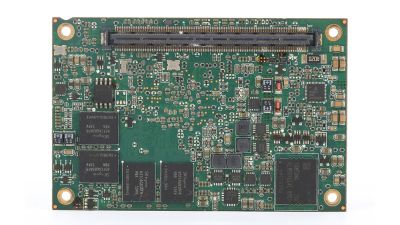
The industrial landscape is rapidly evolving, with the demand for versatile and robust embedded solutions on the rise. The COM Express Mini Type 10 x86 embedded board, particularly the COME-BT10 module, proves to be a formidable contender for a broad range of applications. Built on the Intel Bay Trail SoC, this compact module supports low-power CPUs, making it an ideal choice for industrial control systems, vehicle terminals, and outdoor devices where reliability in extreme conditions is paramount.
One of the standout features of the COME-BT10 is its wide-temperature design, allowing standard versions to operate efficiently from -20°C to +65°C, while industrial variants function reliably within the -40°C to +85°C temperature range. According to a recent report by MarketsandMarkets, the global market for embedded systems is projected to reach USD 275.54 billion by 2026, highlighting the growing significance of reliable embedded modules that can withstand harsh environments. The module’s support for various I/O options, including USB, SATA, and PCIe, along with integrated graphics capabilities, enhances its versatility, making it suitable for an array of applications while maintaining stable performance under challenging conditions.
Furthermore, with its onboard memory options and eMMC storage capabilities ranging from 4GB to 128GB, the COME-BT10 provides the necessary resources for running complex applications on both Windows and Linux platforms. Such adaptability is crucial in sectors where seamless integration and operational continuity are required. The ability to function in extreme temperatures not only underscores the COME-BT10's advantages but also aligns with the industry's shift towards demanding more from embedded systems to ensure longevity and efficiency in application deployment.
FAQS
: Compatibility ensures seamless integration with existing systems and peripherals. Misalignment can result in operational issues.
Operating in extreme temperatures can shorten the lifespan of a motherboard. Longevity leads to reduced maintenance costs.
It's vital to choose an energy-efficient motherboard to lower operational costs and meet power profile needs.
Modular designs are becoming popular. They allow for easier upgrades and repairs, enhancing longevity and reducing costs.
Industries are increasingly integrating AI applications, requiring more capable motherboards for complex computations and data processing.
Manufacturers are focusing on energy-efficient designs to support sustainability goals and reduce energy consumption in industrial systems.
Monitoring tools provide insights into power usage, guiding decisions for upgrades or replacements.
Yes, it’s projected to reach $9.7 billion by 2026, highlighting the importance of stable and efficient hardware.
Balancing performance and energy efficiency is a significant challenge in evolving motherboard technology.
Some may find it difficult to align new technology with existing systems or may lack clear documentation on compatibility.
Conclusion
The article "Best Industrial PC Motherboard for Global Buyers in 2026" explores the evolving landscape of Industrial PC Motherboards, emphasizing their critical role in various industrial applications. It discusses key features that buyers should consider, including durability, expandability, and performance metrics to ensure compatibility with existing systems. The piece highlights top manufacturers in the market and examines how these components can enhance productivity and efficiency in industrial settings.
Looking ahead, the article identifies future trends in Industrial PC Motherboard technology, such as the integration of advanced processing capabilities and improved connectivity options. A comprehensive buying guide is provided to assist global customers in making informed decisions, highlighting the importance of evaluating performance and compatibility to meet specific industrial demands. This resource aims to equip buyers with the knowledge required to choose the best Industrial PC Motherboard for their needs in 2026.