Leave Your Message
The global landscape of industrial manufacturing and warehouse logistics is undergoing a massive transformation. Driven by the principles of Industry 4.0, companies are increasingly shifting away from manual labor towards automated and autonomous systems. At the center of this revolution are Automated Guided Vehicles (AGVs), Autonomous Mobile Robots (AMRs), and smart robotic arms. These systems demand compact, highly reliable, and power-efficient embedded controllers to handle complex real-time computational tasks.
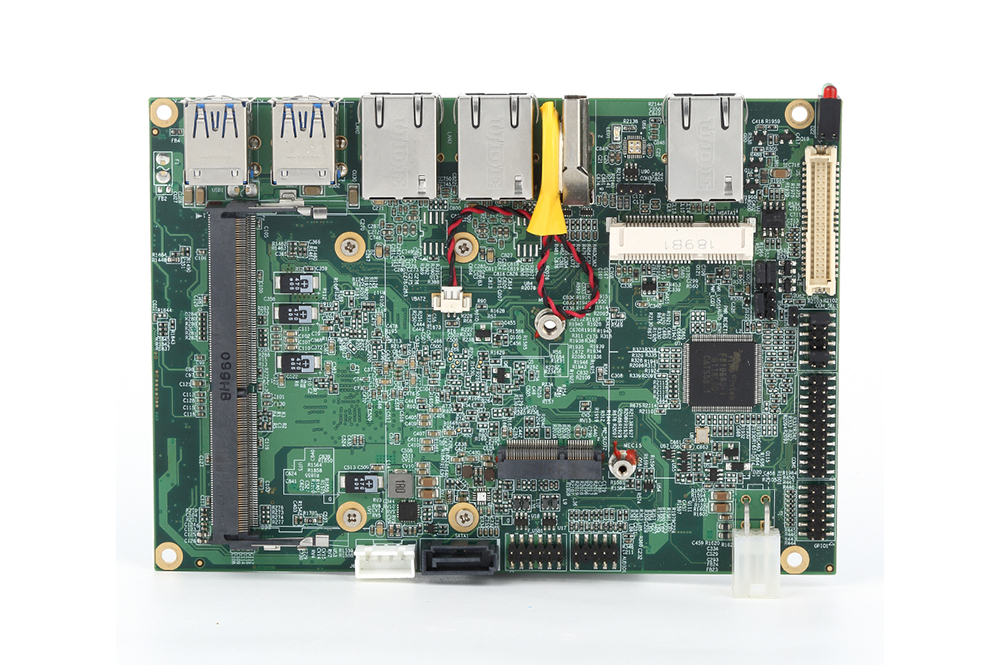
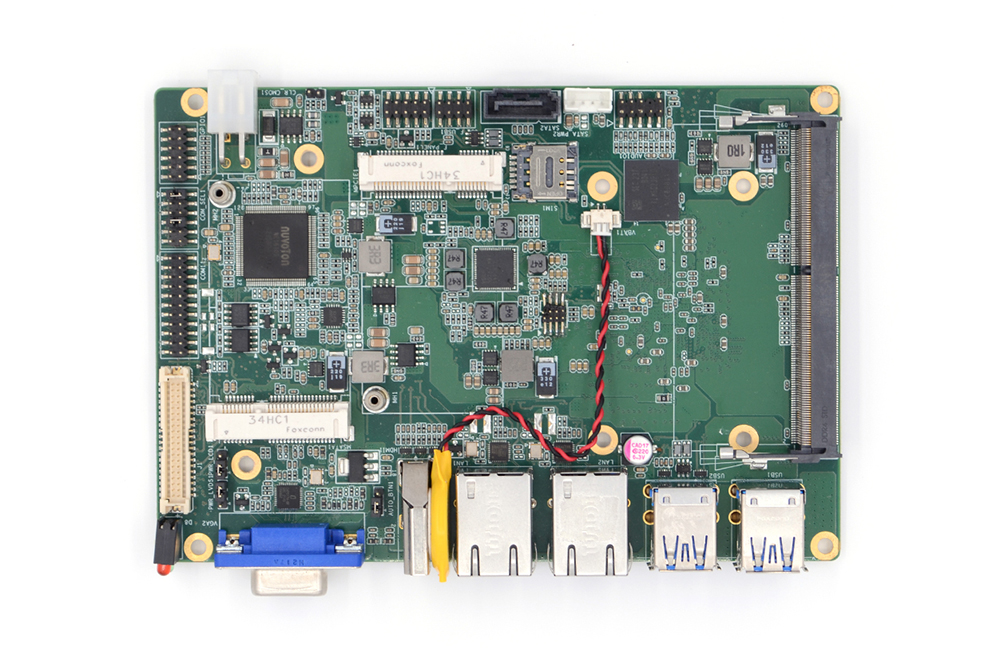
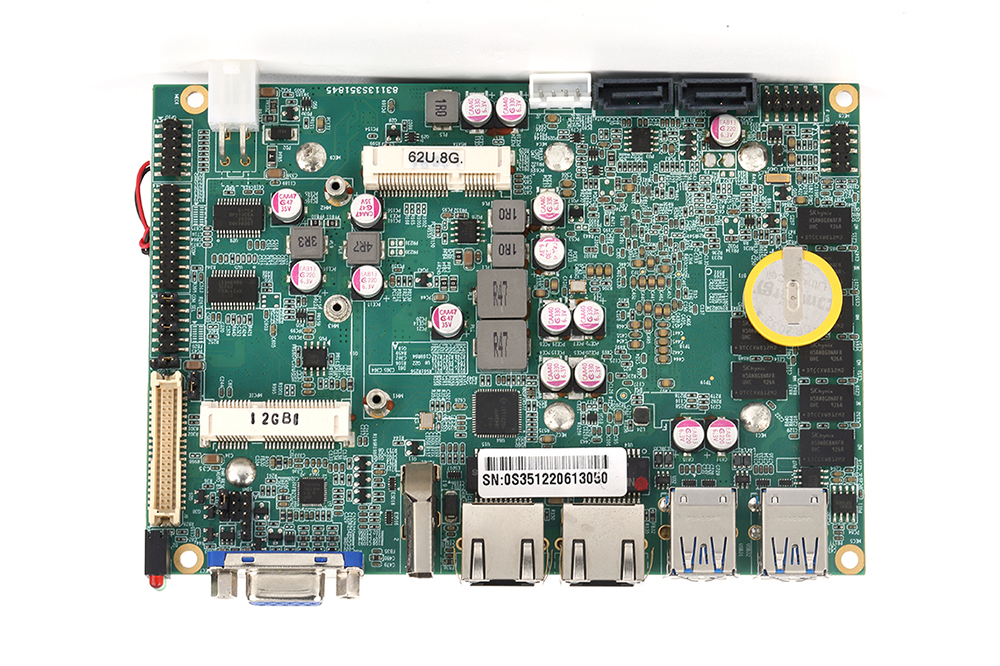
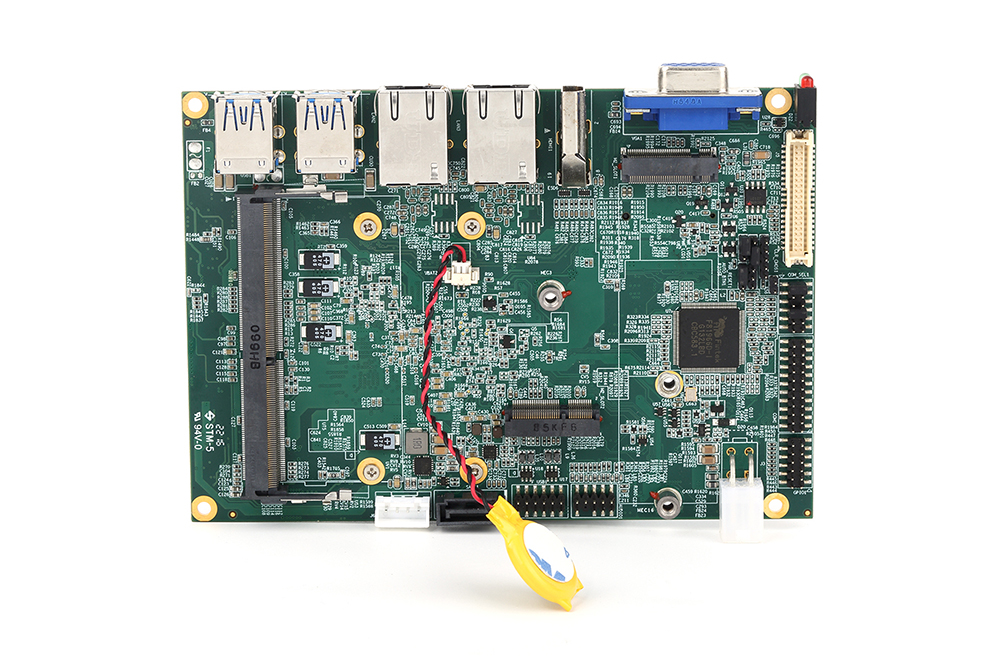
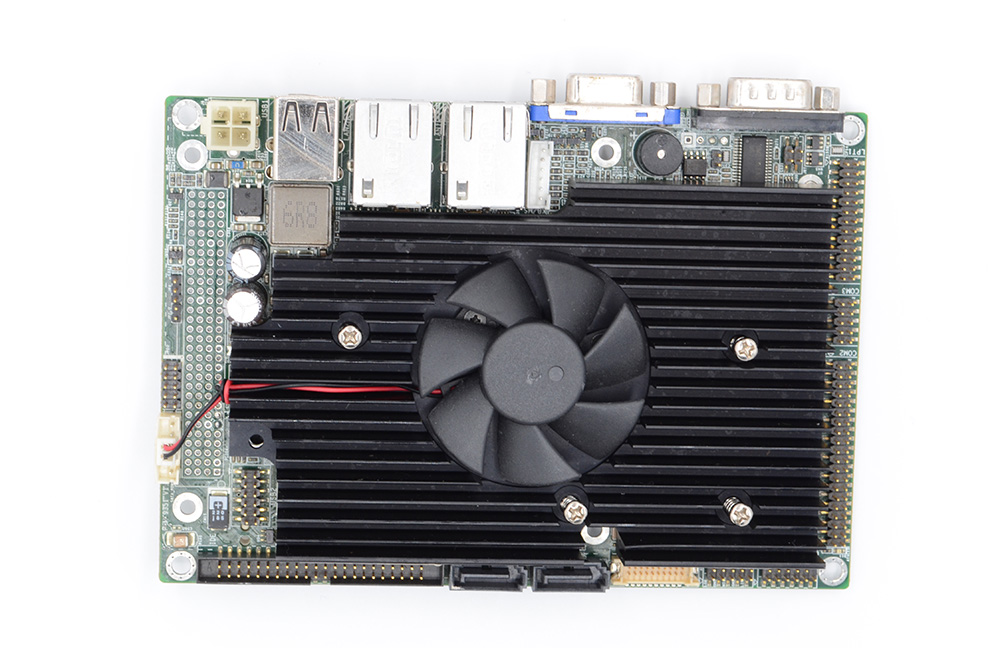
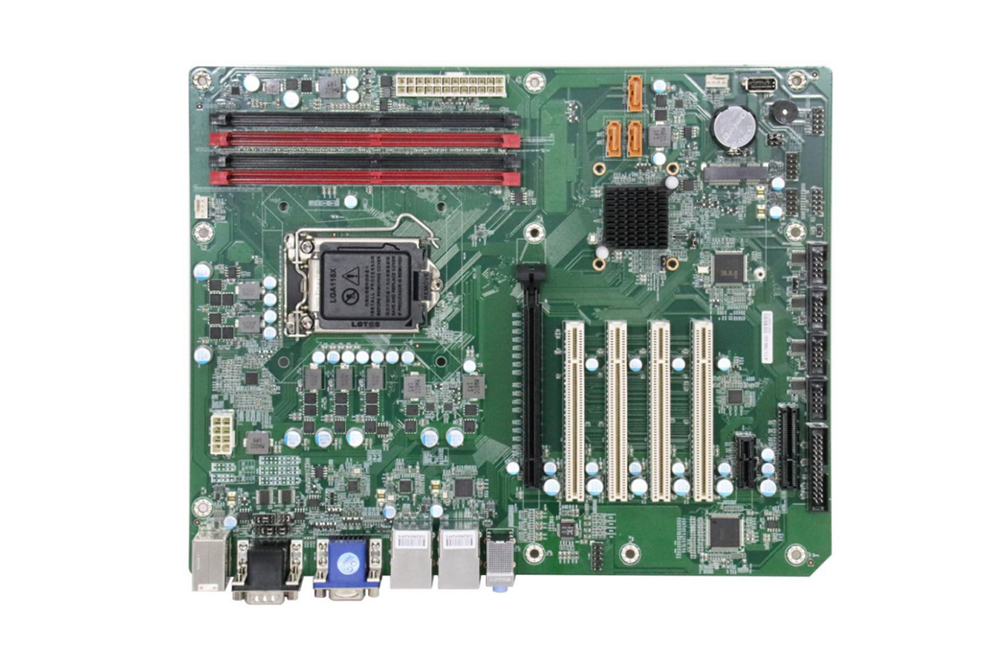
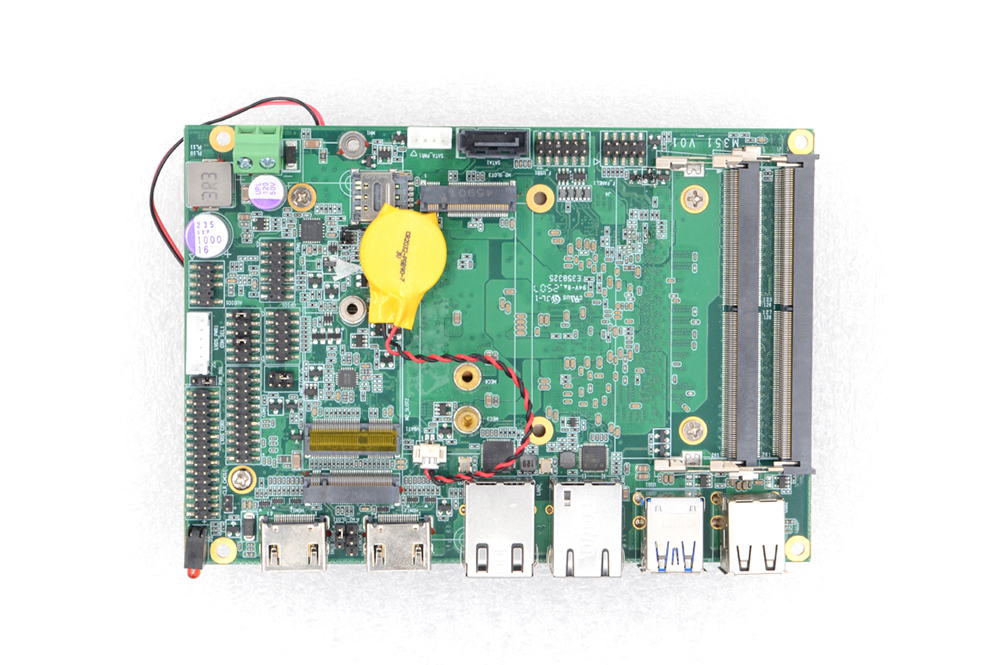
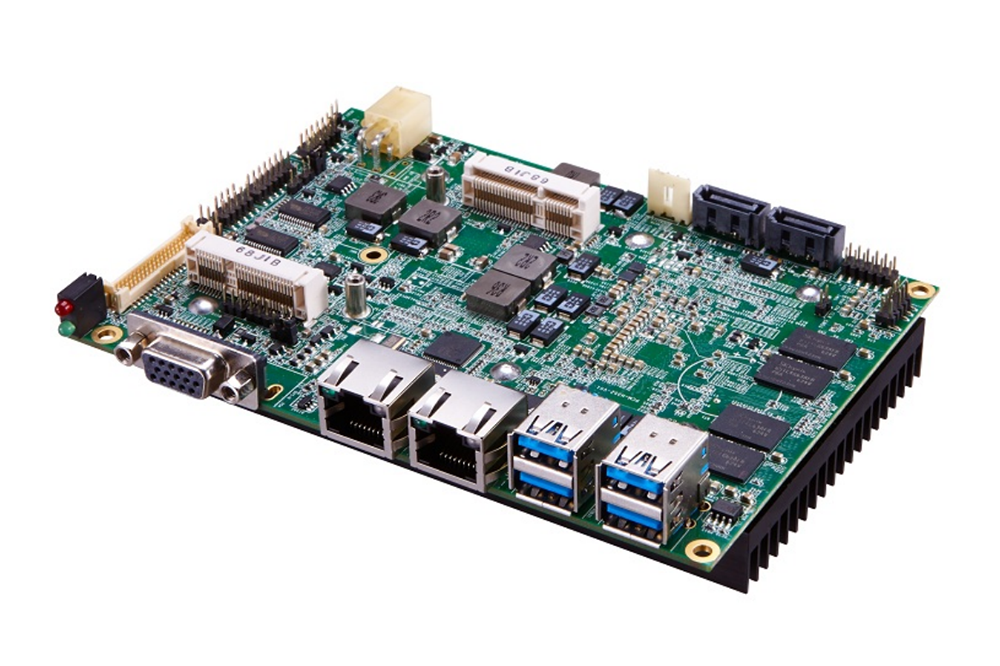
The 3.5-inch motherboard has emerged as the standard form factor for modern AGVs and industrial automation control systems. Measuring just 146 mm by 101.6 mm, it offers a perfect footprint that fits into tight chassis spaces without compromising on I/O connectivity or processing capabilities. Whether navigating complex warehouse layouts using LiDAR SLAM or managing multi-axis motor controllers on a factory floor, these motherboards act as the core processing engine.
Current industrial trends indicate a soaring demand for edge computing in automation. Instead of relying on remote cloud servers, which introduce latency and security concerns, modern AGVs process heavy sensor fusion data locally. This requires motherboards that support advanced CPUs, high-speed DDR5 memory, and dedicated AI accelerators, all within a compact, thermal-efficient, and vibration-resistant layout.
1. Real-Time Edge Processing: Low-latency decision-making is critical for collision avoidance and precise navigation in autonomous vehicles.
2. Ruggedization & Longevity: Industrial environments expose hardware to extreme temperatures, shock, vibration, and dust. Standard commercial motherboards fail under these conditions, making industrial-grade wide-temperature 3.5-inch boards indispensable.
3. High-Speed Connectivity: The integration of multiple sensors (cameras, LiDAR, sonar) requires high-bandwidth interfaces like 2.5G/10G Ethernet and USB 3.2.
With dimensions of 146mm x 101.6mm, the 3.5-inch motherboard can be integrated directly into the drive units of AGVs or within small control cabinets on assembly lines, saving valuable spatial real estate.
Moving parts like CPU fans are prone to failure in dusty, high-vibration factory environments. 3.5-inch SBCs are designed for passive cooling, relying on heat spreaders and heavy-duty chassis integration to maintain stability.
Operating flawlessly in environments ranging from -40°C to +85°C, these boards are ideal for cold-chain warehouses and high-heat heavy industrial sectors. They also support wide-range DC voltage inputs (e.g., 9V to 36V) to handle fluctuating battery power on AGVs.
Beyond physical size, the architecture of a 3.5-inch industrial motherboard is engineered for rugged reliability. Unlike consumer electronics, these boards utilize multi-layer PCBs with high-grade solid capacitors, gold-plated connectors, and reinforced mounting holes to withstand constant vibration and mechanical shock from AGV movement.
Furthermore, their rich onboard I/O options set them apart. Designed specifically for industrial automation, they feature multiple serial ports (RS-232/422/485) for legacy PLC communication, CAN bus interfaces for direct motor driver interaction, and GPIOs for proximity sensors, safety bumpers, and warning lights. Dual or quad Gigabit Ethernet ports enable simultaneous connections to IP cameras, LiDAR units, and internal factory networks.
As the market shifts towards AI-driven automation, the inclusion of modern expansion slots such as M.2 M-key (for NVMe storage or AI acceleration cards like Intel Myriad or Google Coral) and M.2 E-key (for Wi-Fi 6E/5G modules) ensures that these compact boards remain future-proof, allowing systems to scale as operational demands evolve.
In modern logistics, AGVs and AMRs must navigate dynamically changing environments. This requires real-time processing of complex 2D/3D LiDAR data and camera feeds to perform SLAM (Simultaneous Localization and Mapping). A 3.5-inch motherboard running an Intel Core or Ultra processor provides the necessary compute density. The dual 2.5G Ethernet ports facilitate rapid communication with high-resolution LiDARs, while the onboard CAN bus interface transmits precise motion commands to the wheel hub motors, ensuring sub-millimeter positioning accuracy.
In automated assembly lines, high-speed cameras capture images of products to detect defects. A 3.5-inch industrial motherboard, equipped with high-speed USB 3.2 and PCIe Gen4 expansion, acts as the local vision controller. It processes image recognition algorithms at the edge, triggering pneumatic reject arms via GPIO pins within milliseconds of detecting a defect, significantly boosting production line yield and reducing manual quality control costs.
Industrial facilities require continuous monitoring of power distribution, temperature, and environmental factors. Using a fanless 3.5-inch motherboard with wide temperature support and dual Intel LAN ports, engineers deploy robust IIoT gateways. These gateways collect data from hundreds of modbus sensors via serial ports, aggregate and encrypt the data, and securely upload it to the central SCADA system or cloud platforms over 5G networks, ensuring continuous operation of smart grids and critical infrastructure.
Operators on the factory floor rely on responsive HMIs to monitor and control complex machinery. 3.5-inch embedded motherboards support multiple independent displays (HDMI, DisplayPort, and LVDS/eDP), allowing them to power high-resolution touchscreens while simultaneously outputting status diagnostics to overhead monitoring displays. Their fanless, dust-proof design ensures they can operate directly on the factory floor without maintenance overhead.
The future of industrial automation is intrinsically linked to the evolution of embedded hardware. As AI algorithms become more sophisticated, the demand for local inference capabilities will skyrocket. The integration of Intel Ultra U/H series processors featuring dedicated Neural Processing Units (NPUs) onto the 3.5-inch form factor marks a major milestone. This allows AGVs to run complex deep-learning models for object classification and predictive maintenance directly on the vehicle, without the need for power-hungry discrete GPUs.
Furthermore, the transition to DDR5 memory brings massive bandwidth improvements, which is vital for processing high-resolution multi-camera feeds in vision-guided robotics. Combined with the rollout of private 5G networks in smart factories, future 3.5-inch motherboards will act as hyper-connected edge nodes, facilitating seamless machine-to-machine (M2M) communication and ultra-low latency coordination among entire fleets of autonomous robots.
Environmental sustainability is also shaping hardware design. Future industrial motherboards will prioritize energy efficiency, utilizing advanced power management ICs to minimize idle power draw. This is particularly crucial for battery-operated AGVs, where every watt saved translates directly into longer operational uptimes and reduced charging cycles, optimizing the overall return on investment for smart warehouse operators.
Shenzhen YDSTECH Electronics Co., Ltd. is a high-tech enterprise specializing in industrial computers. Since the establishment of YDSTECH in 1999, we have been committed to independent research and development, innovation, production and sales of industrial computers, and we own the independent intellectual property rights of our core products.
We consider honesty and pragmatism as our motto and make it our long-term goal to provide customers with cost-effective products. In order to achieve this goal, we work constantly to develop new products, improve our service capabilities and promote the innovation of embedded computer applications to create long-term value and potential growth for our customers.
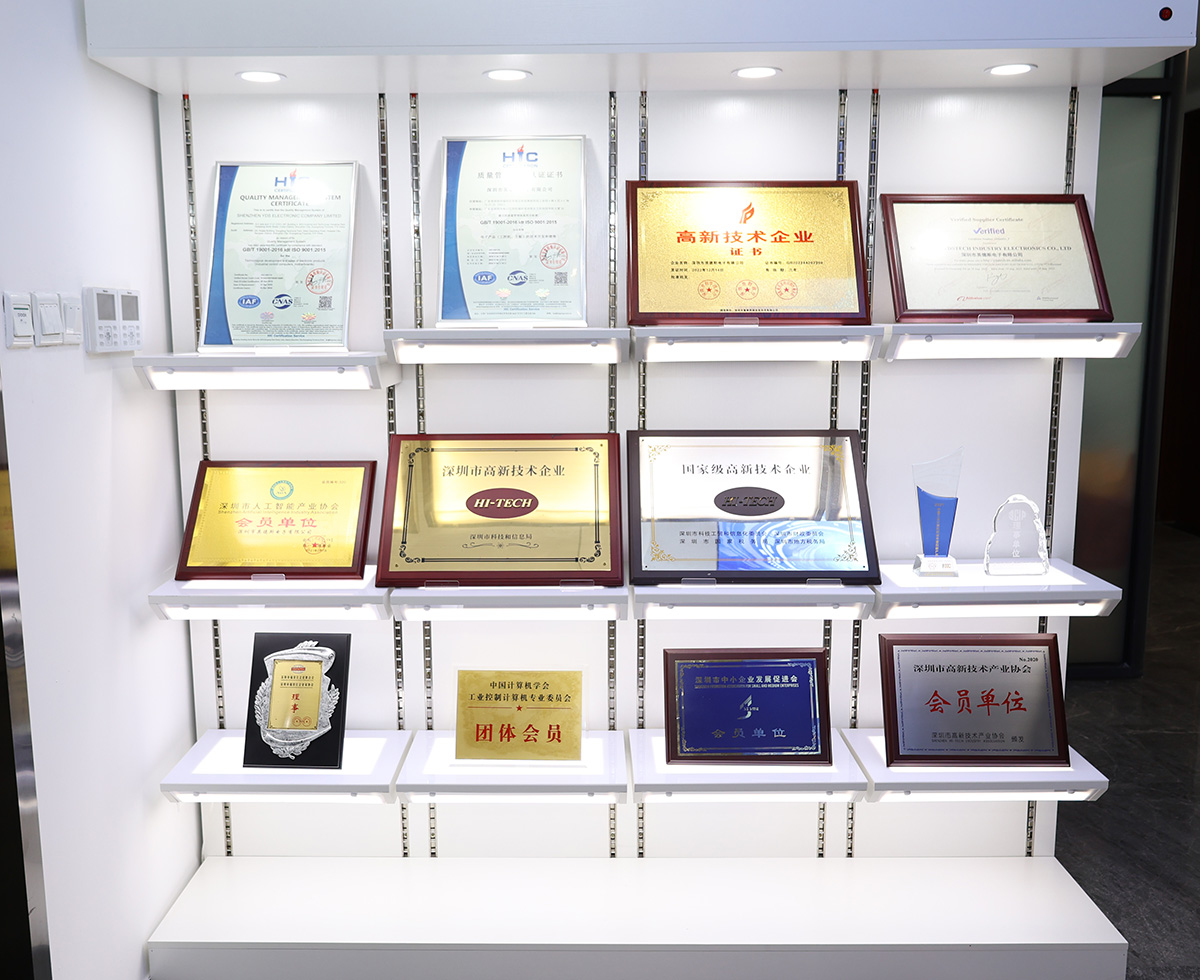
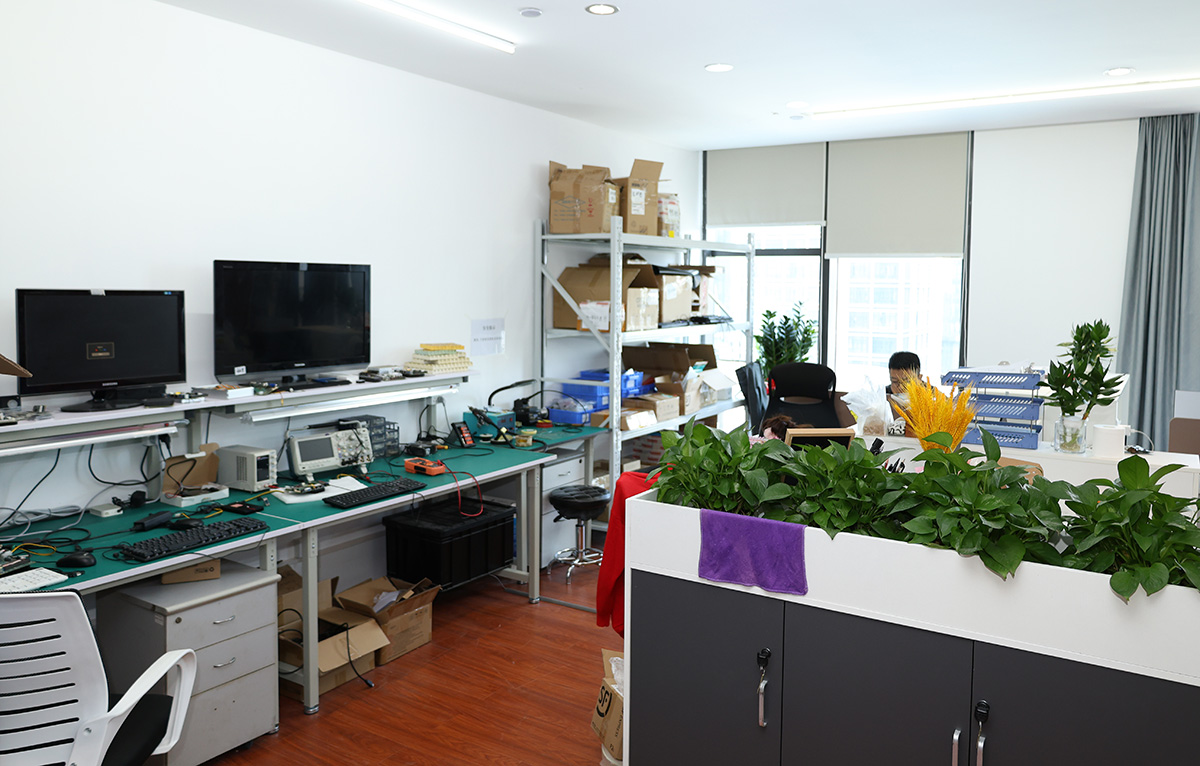
Our commitment to quality, innovation, and industry alignment is demonstrated through our numerous certifications and active participation in leading national and international associations. YDSTECH is recognized as a leader in the Chinese embedded systems landscape.
Our core technical team has over 15 years of experience in this industry, and has been focusing on embedded computer research and development, with rich and solid professional expertise. We believe that attitude means everything, since the establishment of YDSTECH, we have always been committed to work with a conscientious, responsible, attentive, professional, prudent and meticulous attitude, which ensures the high-quality output of the products, years of persistence and experience created our strong R&D team.
YDSTECH has set up a comprehensive quality assurance management system, adopting MSA quality system analysis, implementing rolling quality system audit, TQM, SPC process control and other quality management systems, establishing AVL supplier management system to ensure the quality of raw materials, and introducing rolling product reliability tests to ensure overall product reliability.