Leave Your Message
Engineered for mission-critical edge gateways, rugged machine vision nodes, and intelligent distributed infrastructure.
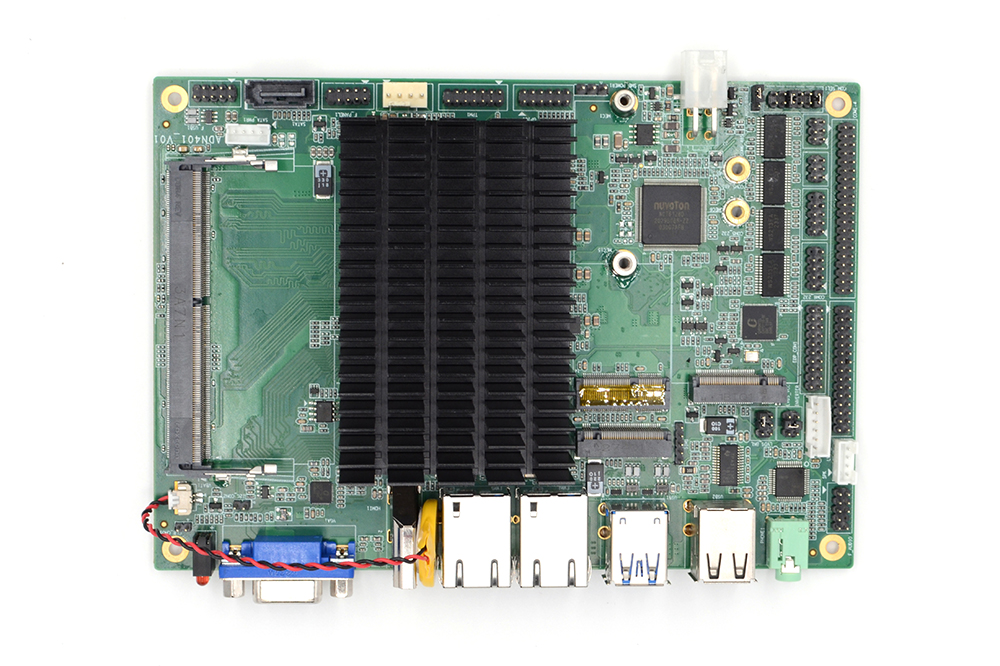
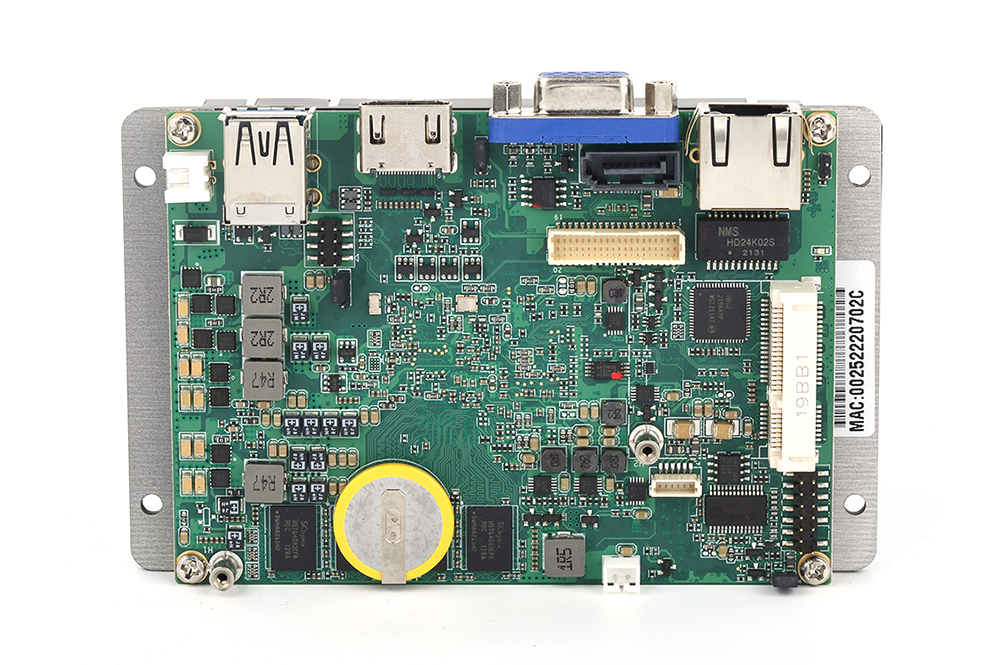
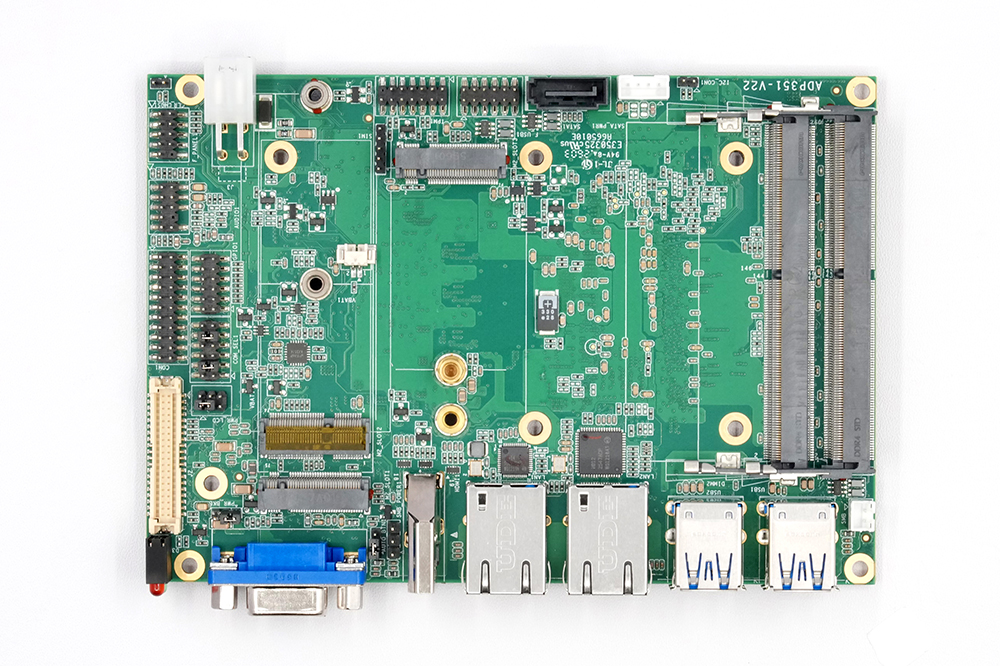
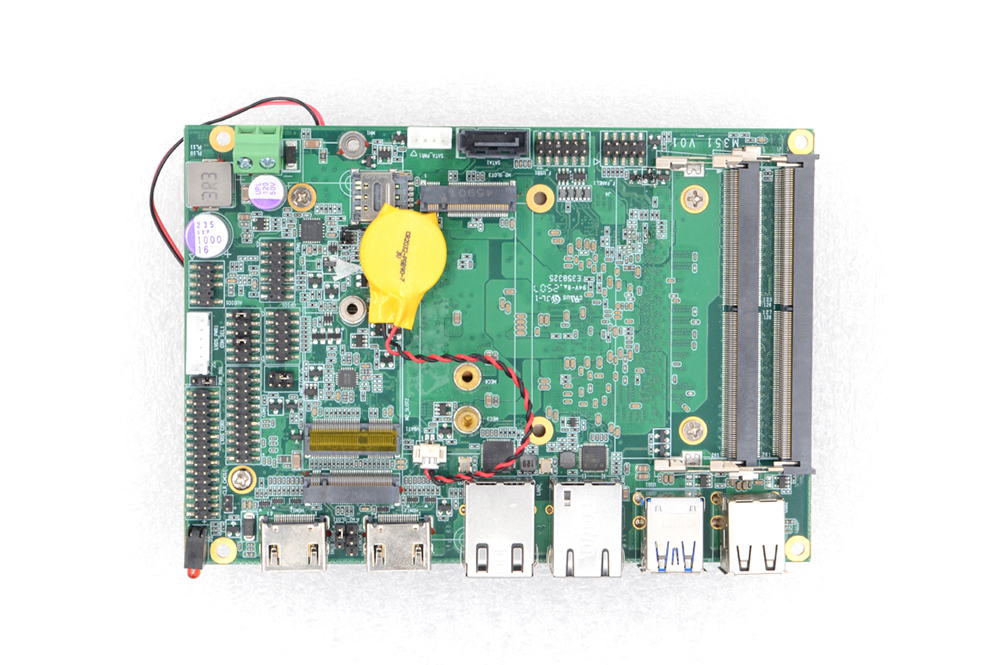
Engineered to conquer the harsh operational constraints of distributed telemetry and real-time operational technology (OT) networks.
Harnessing Intel Ultra, 12th/13th Gen, and Tiger Lake architectures with embedded NPU acceleration for low-latency deep learning at local endpoints.
Deterministic fieldbus routing through multi-GbE LAN, isolated RS-232/422/485, CAN bus, Modbus-to-OPC-UA bridging, and TSN timing precision.
Continuous fanless operation spanning wide industrial temperature spectrums (-40°C to +75°C / +85°C) with conformal coating and shock absorption.
Designed with strictly screened AVL industrial-grade components providing an enduring 7 to 15-year lifecycle guarantee for continuous industrial service.
The global industrial landscape is witnessing an architectural migration away from centralized cloud computing frameworks toward decentralized, distributed edge processing paradigms. In modern Industry 4.0, autonomous logistics, dynamic power distribution, and smart healthcare ecosystems, sending raw sensor telemetry directly to centralized remote data centers incurs intolerable latency penalties, unmanageable bandwidth expenditures, and acute cybersecurity vulnerabilities. To overcome these constraints, systems engineers rely upon compact, power-efficient, yet high-performance hardware: the 3.5-inch single board computer (SBC).
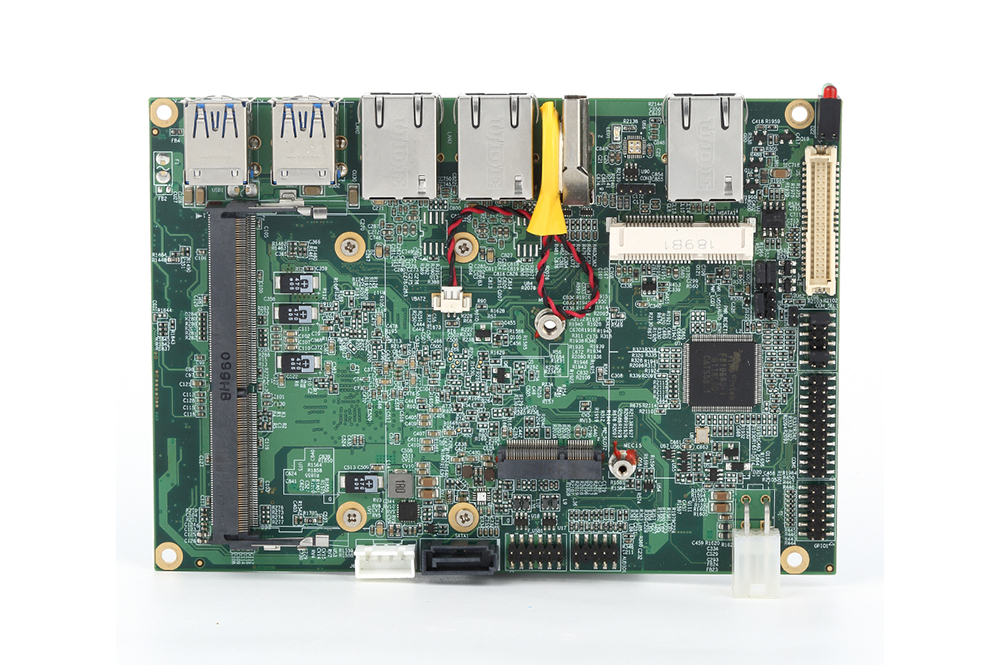
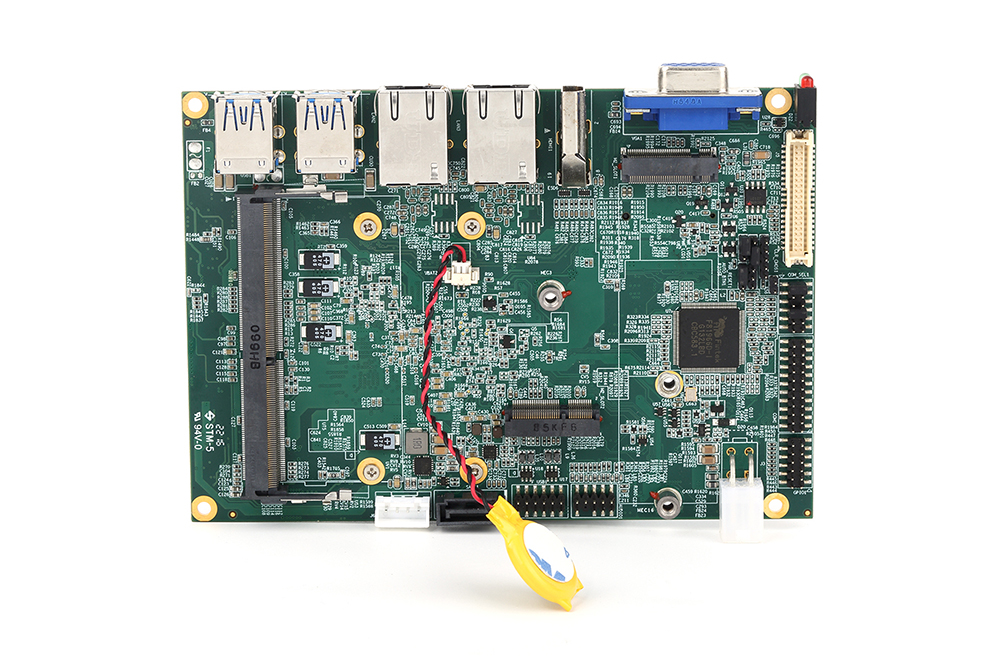
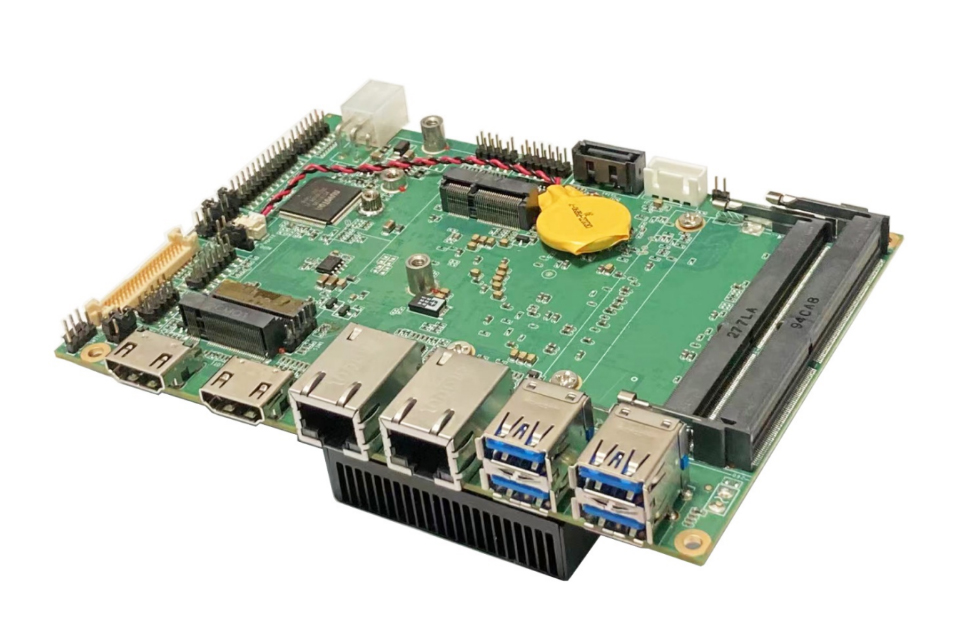
Measuring an optimized 146mm by 102mm, the 3.5-inch embedded motherboard represents the industrial computing industry's ideal compromise between compact mechanical dimensions and expansive physical I/O expansion capability. Unlike consumer small-form-factor boards, industrial 3.5-inch mainboards are designed from the ground up for extreme physical endurance, continuous 24/7/365 uninterrupted deployment, wide DC-input tolerance (typically 9V to 36V), and rugged resistance to thermal stress, vibrational shock, and electromagnetic interference (EMI).
The acceleration of Edge Artificial Intelligence (Edge AI) is dramatically reshaping the expectations placed upon IoT gateways. Modern IoT gateways are no longer passive protocol translators or basic data forwarders. Instead, they act as intelligent edge servers responsible for local inferencing, computer vision, acoustic anomaly detection, predictive maintenance modeling, and synchronous control across legacy operational technology (OT) buses. Industrial operators seek solutions that bridge legacy RS-485 serial machinery with high-speed deterministic IT networks running MQTT, OPC Unified Architecture (OPC UA), and cloud microservices.
According to industrial automation market analytics, the demand for edge-ready industrial SBCs is projected to expand at a compound annual growth rate exceeding 14% over the coming decade. This surge is propelled by the massive deployment of autonomous mobile robots (AMRs), smart energy microgrids, private 5G industrial networks, and automated visual inspection systems. The 3.5-inch form factor sits at the apex of this transition, offering thermal dissipation room for 15W to 45W thermal design power (TDP) processors, up to 64GB of ultra-fast DDR5 memory, multiple M.2 expansion interfaces for AI accelerators (such as Google Coral, Intel Movidius, or Hailo-8), and multi-gigabit Ethernet connectivity.
Exploring how industrial 3.5-inch platforms solve complex operational challenges across critical infrastructure verticals.
In brownfield manufacturing plants, legacy programmable logic controllers (PLCs), CNC milling centers, and modern robotic arms communicate over disjointed protocols including Modbus RTU, Profibus, Ethernet/IP, and CC-Link. Deploying a 3.5-inch motherboard with multi-COM isolation, dual 2.5GbE, and dual-core/quad-core low-power processors allows for continuous real-time protocol conversion into unified OPC UA and MQTT streams. Local AI models process acoustic vibration telemetry to detect spindle bearing wear before catastrophic failures occur.
Warehouse logistics and intra-facility transport require AMRs to navigate dynamic, human-populated spaces with millisecond reaction times. 3.5-inch motherboards equipped with Intel 12th/13th Gen or Ultra CPUs offer extensive PCIe expansion for localized SLAM (Simultaneous Localization and Mapping), multi-camera stereo depth perception, and LiDAR point-cloud processing, all while operating reliably on 12V/24V battery systems subject to constant vibration and kinetic shock.
Solar photovoltaic farms, wind turbine nacelles, and electrical distribution substations experience extreme ambient temperature fluctuations ranging from -40°C to +75°C. A wide-temperature 3.5-inch SBC acts as an intelligent remote terminal unit (RTU) managing IEC 61850 protocol compliance, solar string inverter optimization, and rapid grid-tie disconnects during harmonic disturbances, ensuring power reliability without active cooling fans.
Roadside units (RSUs) and urban intersection control cabinets require compact, fanless computing platforms to manage video streams from ANPR (automatic number plate recognition) cameras, radar sensors, and pedestrian tracking systems. Featuring multi-display outputs (HDMI, DP, LVDS/eDP) and high-throughput cellular backhaul, 3.5-inch SBCs aggregate intersection sensor data and communicate safety warnings directly to connected vehicles via cellular vehicle-to-everything (C-V2X) links.
Deploying edge nodes inside hermetically sealed NEMA-rated outdoor enclosures or oil-soaked industrial machinery environments places unforgiving physical demands on electronic circuitry. Commercial desktop motherboards quickly degrade when exposed to continuous ambient heat, airborne particulate contaminants, power grid surges, and high-frequency vibrations. Industrial-grade 3.5-inch motherboards are systematically designed to mitigate each of these failure modes through advanced electrical, thermal, and material engineering.
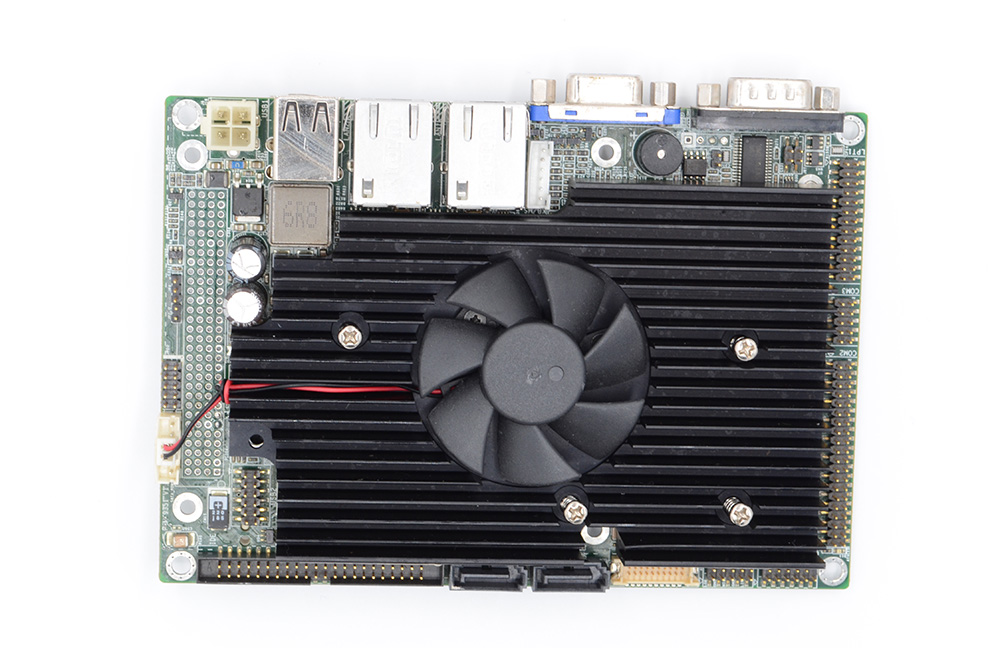
Moving parts represent the primary point of failure in embedded electronics. Cooling fans draw in conductive metallic dust, moisture, and chemical aerosols, while bearing wear leads to inevitable fan seizure. 3.5-inch industrial boards prioritize bottom-mounted or integrated aluminum heat spreaders that mechanically dock with external finned aluminum chassis. This direct conduction cooling profile channels heat away from the CPU, PCH, and power MOSFETs, allowing fanless operation in ambient environments up to +75°C or +85°C without thermal throttling.
Industrial field environments frequently suffer from unstable power grids, voltage sags, inductive spikes caused by large motor switch-offs, and ground loops. Industrial 3.5-inch boards feature ruggedized wide-range DC power delivery (typically 9V to 36V or 12V to 24V DC) fortified with over-voltage protection (OVP), over-current protection (OCP), reverse polarity protection, and TVS surge suppression diodes designed to meet stringent IEC 61000-4-2 through IEC 61000-4-5 EMC standards.
For applications situated in marine environments, chemical treatment facilities, or humid agricultural monitoring stations, motherboards can be treated with specialized IPC-A-610 Class 3 conformal coatings (polyurethane, acrylic, or silicone). This protective barrier prevents moisture oxidation, electrolytic dendrite migration, and chemical corrosion across fine-pitch surface-mount IC leads and solder joints, dramatically boosting Mean Time Between Failures (MTBF).
Leading the frontier of embedded computing and industrial motherboards since 1999 through independent R&D, precision manufacturing, and unyielding quality integrity.
Shenzhen YDSTECH Electronics Co., Ltd. is a premier national high-tech enterprise specializing in industrial computers and embedded motherboards. Since the establishment of YDSTECH in 1999, we have been committed to independent research and development, innovation, production and sales of industrial computers, and we proudly own the independent intellectual property rights of our core products.
We consider honesty and pragmatism as our motto and make it our long-term goal to provide global clients with ultra-reliable, cost-effective products. In order to achieve this goal, we work constantly to develop new products, improve our comprehensive service capabilities, and promote continuous innovation in embedded computer applications to create sustainable, long-term value and strategic growth for our partners.
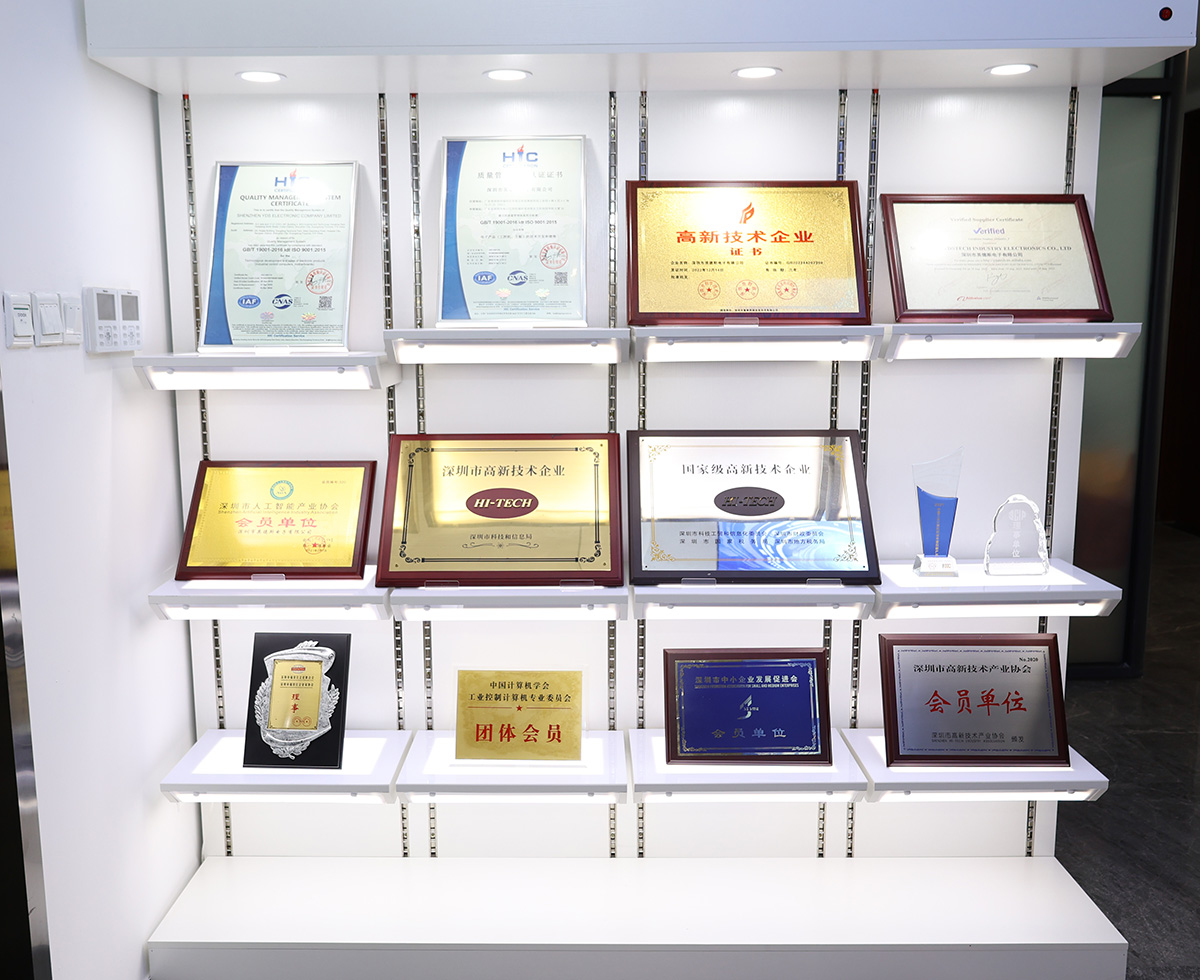
· Certified High-Tech Enterprise
· Shenzhen Software Product And Software Enterprise Evaluation Certified Enterprise
· ISO9001 International Quality System Certified Enterprise
· Member Of Chinese Association Of Automation
· Member Of China Instrumentation Society
· Member Of China Computer Federation
· Director Of Shenzhen Computer Association
· Founding Member Of China Embedded System Industry Alliance
Our core technical team possesses over 15 years of deep domain experience in the embedded computing sector. Focusing consistently on advanced industrial computer research, schematic layout, signal integrity optimization, and thermal modeling, our engineers bring rich, solid professional expertise to every 3.5-inch SBC design.
We believe that attitude means everything. Since the establishment of YDSTECH, we have always been committed to working with a conscientious, responsible, attentive, professional, prudent, and meticulous attitude. This disciplined engineering rigor guarantees the consistently high-quality output of our products, while years of persistent dedication have forged our formidable, industry-recognized R&D division.
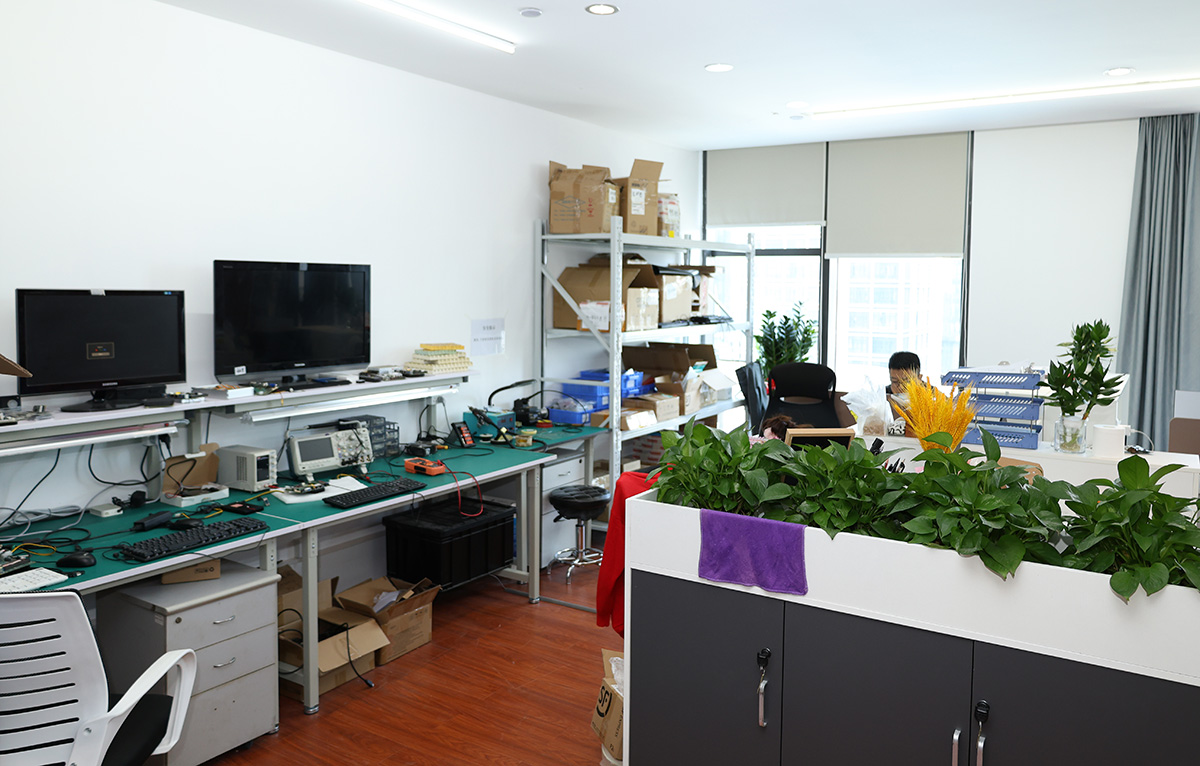
YDSTECH has instituted a multi-layered, holistic quality assurance management system. We adopt advanced MSA (Measurement System Analysis) techniques, enforce rolling quality system audits, implement TQM (Total Quality Management) philosophies, and deploy rigorous SPC (Statistical Process Control) procedures across every phase of SMT surface mounting and assembly.
Furthermore, our stringent AVL (Approved Vendor List) supplier qualification system ensures the uncompromised tier-one pedigree of raw materials and active semiconductors. We institute exhaustive rolling reliability testing—including 72-hour thermal stress chamber burn-in, multi-axis dynamic vibration profiling, electrostatic discharge tests, and humidity endurance evaluation—to guarantee zero-defect field reliability across demanding edge computing and IoT gateway deployments.
When selecting the ideal 3.5-inch motherboard architecture for your industrial IoT gateway or distributed edge computing nodes, systems architects must evaluate several interrelated technical parameters to ensure balanced performance, longevity, and total cost of ownership (TCO):
For headless, lightweight data aggregation nodes running basic protocol parsing, Intel Low Power Celeron or Alder Lake-N architectures (such as our 4-inch and 2.5-inch series) offer sub-15W efficiency with zero noise and minimal thermal footprint. Conversely, for machine vision or deep learning inference, Intel 12th/13th Gen Core or Intel Ultra U/H processors with up to 64GB DDR5 provide the floating-point compute and tensor acceleration necessary to process parallel video streams locally.
Ensure the motherboard natively provides sufficient isolated serial COM ports (RS-232/422/485) for legacy field devices without requiring external expansion hubs that introduce latency. Dual or triple independent display pipelines (HDMI, DisplayPort, LVDS, eDP) are critical for interactive HMI kiosks and medical diagnostic edge terminals. Simultaneously, check for M.2 Key-M (PCIe NVMe), Key-B (5G/4G), and Key-E (Wi-Fi) slots to prevent hardware expansion bottlenecks.
Industrial IoT installations frequently mandate compliance with extreme temperature bands (-40°C to +75°C or +85°C). Verify that passive cooling heatsinks, industrial wide-temp capacitors, and wide-range DC-in VRMs (voltage regulator modules) are built-in from the factory. Standard commercial motherboards rated only for 0°C to 60°C will suffer from clock throttling, memory bit flips, and early electrolytic degradation in mission-critical outdoor cabinets.
Explore our comprehensive industrial catalog engineered for long-term edge computing, embedded automation, and IoT gateway deployments.